.png)

Master Nut Grass Control: 4 Steps for Homeowners to Succeed
- Spring Touch Team

- 6 hours ago
- 8 min read
Introduction
Nut grass can be a frustrating presence in your lawn, making it hard to achieve the outdoor space you desire. Knowing how nut grass grows and spreads can help you manage it better, especially in regions like southern Minnesota where it thrives. This article outlines four essential steps that homeowners can take to identify, control, and prevent nut grass infestations, ultimately transforming their outdoor spaces into healthy, vibrant environments. Let’s explore some effective strategies to help you reclaim your lawn from this resilient weed.
Identify Nut Grass: Characteristics and Growth Patterns
Nut grass can quickly turn into a troublesome presence in your garden, often going unnoticed until it’s too late. To effectively manage this invasive weed, it’s essential to first understand its unique characteristics.
Nut grass, which is commonly referred to as yellow nutsedge (Cyperus esculentus), has triangular stems and long, narrow leaves that can easily be confused with grass. The bright yellow-green leaves grow in a distinct V-shape, making them a challenge to identify at first glance. This can lead to frustration for homeowners who want to maintain a pristine garden.
This aggressive weed grows rapidly, often outpacing nearby vegetation, especially in warm, moist conditions. It can reach heights of 12 to 24 inches, becoming a prominent feature in your garden. If left unchecked, nut grass can overwhelm your plants, posing a significant challenge in maintaining a healthy outdoor space.
Nut grass produces distinctive flower clusters that vary in color from yellow-brown to purple-brown, depending on the variety. Recognizing these flowers can aid in identification, allowing you to address the issue before it escalates.
Its root system is particularly concerning, as it reproduces through underground tubers and rhizomes. A single yellow nutsedge plant can produce thousands of nutlets each year, complicating control efforts. This rapid reproduction can lead to a full-blown infestation if not managed promptly.
Once you recognize these traits, you’ll be better equipped to spot nut grass in your yard and take action before it spreads, which will help keep your garden healthy and beautiful.

Understand Growing Conditions: Factors That Promote Nut Grass
Many homeowners find themselves struggling with a persistent weed that seems to thrive in their yards, often without realizing the conditions they inadvertently create for it. Nut grass, especially Yellow Nutsedge, thrives under certain conditions that deserve attention.
Soil Moisture: Take a moment to look around your yard and see if there are areas where water tends to collect. Nut grass thrives in moist, poorly drained soils, making these areas a breeding ground for this weed. It's surprising how often overwatering can create the perfect conditions for nut grass, which flourishes and adds to the challenges of maintaining a healthy lawn. Monitoring your irrigation practices is essential to prevent this issue.
Sunlight: This weed prefers full sun but can tolerate partial shade. When planning your landscaping, consider the sunlight exposure of your lawn. Nut weeds can outcompete other plants in well-lit areas, so understanding where the sun shines brightest can help you make informed decisions.
Soil Type: While nut weeds can adapt to various soil types, they particularly thrive in sandy or loamy soils that retain moisture. By enhancing drainage in these areas, you can create a less inviting environment for nut weeds. Lawns with poor drainage are more vulnerable to infestations, so addressing this issue can make a significant difference.
Overwatering: Instead of sticking to a strict watering schedule, try to water your lawn only when it really needs it. This simple change can help keep nut grass at bay. Frequent irrigation creates optimal conditions for nut weeds, so adjusting your watering habits is a proactive step toward a healthier lawn.
Aeration: By regularly aerating your yard, you can create a healthier environment that makes it harder for nut weeds to take hold and spread. Aeration helps reduce soil compaction, enhancing drainage and establishing a less conducive setting for these weeds.
Herbicides: If you find yourself facing a nut grass issue, effective herbicides such as Basagran and Sedge Hammer Plus can assist you in regaining control of your lawn. Applying these products at the right growth stage is crucial for effectively managing nut grass populations.
Along with these strategies, Spring Touch provides organic-based fertilizers that replenish nutrients and deter crabgrass, contributing to a healthier grass environment. Their second application targets dandelions and broadleaf weeds, offering a comprehensive strategy for yard care. By understanding these factors and implementing effective lawn care practices, you can make your lawn less hospitable to nut grass, ultimately leading to healthier and more vibrant outdoor spaces. By taking proactive steps now, you can reclaim your lawn and create a thriving outdoor space that brings you joy and peace of mind.

Implement Control Strategies: Effective Methods for Managing Nut Grass
Nut grass can rapidly dominate your yard, making it challenging to maintain a healthy lawn. But don’t worry; there are effective strategies to manage it.
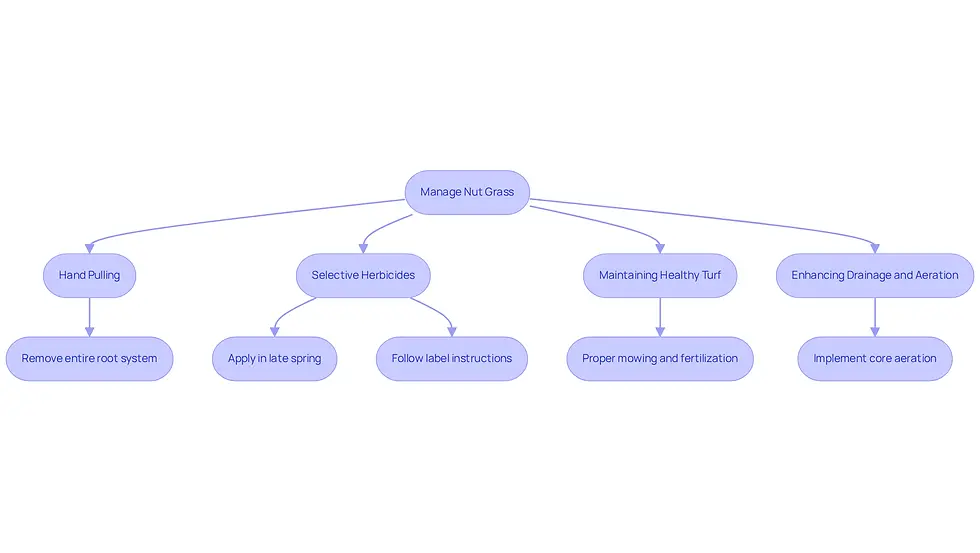
For small infestations, carefully pulling nut grass by hand can prove to be effective. Just remember, it’s crucial to remove the entire root system, including tubers, to prevent regrowth. Avoid pulling when the plant is mature, as this can stimulate further growth.
If the problem persists, consider using selective herbicides like SedgeHammer and Bonide Sedge Ender. These products are designed to target nut grass without harming your desirable plants. Be sure to follow the label instructions, ideally applying them in late spring or early summer when nut weeds are actively growing. Multiple applications may be necessary for severe infestations, but with patience, you can see results.
Maintaining a healthy turf is another key strategy. Proper mowing, fertilization, and irrigation can help your grass outcompete the nut grass. Keeping your grass height at 2.5 to 3 inches encourages thick turf, which inhibits weed growth. Regularly feeding your lawn with high-quality fertilizer enhances its resilience against invasive species.
Lastly, enhancing drainage and aeration can lower the moisture levels that nut grass thrives in. Implementing core aeration improves soil health and decreases compaction, making it less favorable for nut weeds to establish.
By taking these steps, you can reclaim your yard and enjoy a lush, thriving outdoor space once again.
Adopt Preventive Measures: Strategies to Avoid Future Infestations
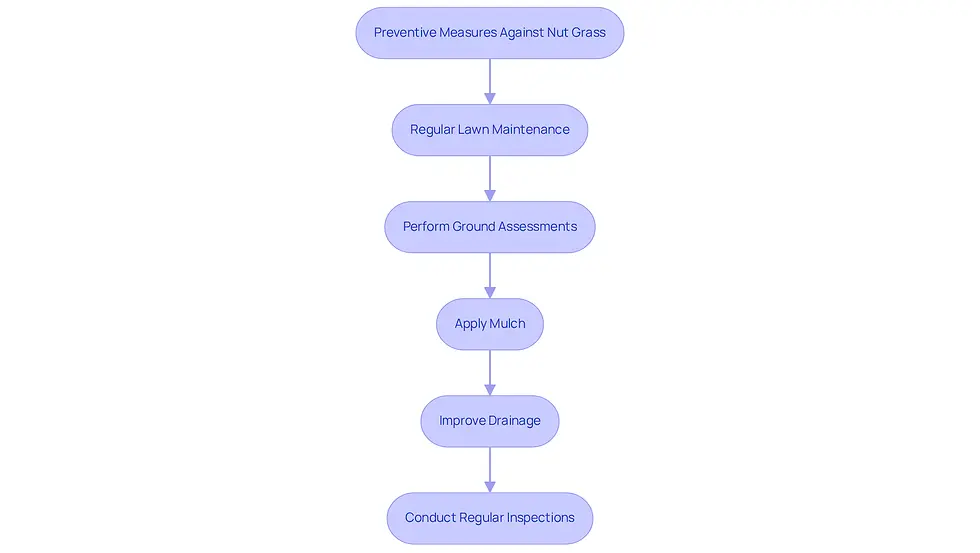
Are you tired of battling stubborn nut grass in your garden? Regular lawn maintenance, including consistent mowing, fertilization, and watering, can help you keep it at bay. Weeds tend to grow faster than turf, and if left unchecked, they can take over your lawn. By mowing regularly, you maintain your grass at an optimal height, which promotes stronger growth that can outcompete those pesky weeds. Using Spring Touch's organic-based fertilizer with bio-solids can restore essential nutrients, enhancing your lawn's resilience against invasive species such as nut grass and also preventing crabgrass.
Performing ground assessments is another crucial step. Understanding your soil's nutrient levels and pH can make a significant difference. By modifying ground conditions based on test results, you can encourage robust vegetation development, which in turn enhances resistance to nut grass. Spring Touch's targeted applications can further improve ground health and support effective grub control.
Don't overlook the power of mulching. Applying a thick layer of mulch in your garden beds can effectively suppress the growth of weeds, such as nut grass. Organic mulches not only prevent weeds but also enrich your soil as they decompose, contributing to a healthier lawn ecosystem.
Addressing drainage issues is vital too. Nut grass thrives in damp conditions, which means that improving drainage can create drier soil that hinders the growth of nut grass.
Regular inspections of your yard for signs of nut grass are crucial. Early detection allows for prompt action, which is key to preventing larger infestations. Tackling small patches immediately can significantly reduce the risk of spread. Additionally, Spring Touch's second application focuses on dandelions and broadleaf weeds, which can compete with your lawn and exacerbate issues related to nut grass.
By taking these steps, you can enjoy a thriving lawn that not only looks great but also stands strong against invasive weeds such as nut grass.
Conclusion
Nut grass can quickly take over your lawn, choking out the grass you’ve worked hard to cultivate. This invasive weed thrives in conditions that can easily go unnoticed, making it a persistent foe in your lawn care battle. But with the right strategies, you can reclaim your lawn and enjoy a beautiful outdoor space once again.
Understanding nut grass is just the first step; it’s crucial to identify it early and recognize the conditions that promote its growth. Regular lawn maintenance, including proper watering, aeration, and the use of selective herbicides, can help combat nut grass infestations. With targeted strategies and preventive measures, you can take back control and watch your garden flourish once more.
Ultimately, by taking proactive steps to manage nut grass, you’re not just enhancing the beauty of your outdoor space; you’re investing in the overall health of your lawn. By staying vigilant and implementing these strategies, homeowners in southern Minnesota can reclaim their gardens and enjoy a lush, weed-free environment. Embrace these practices today to ensure a thriving lawn for years to come.
Frequently Asked Questions
What is nut grass and what are its common names?
Nut grass, commonly referred to as yellow nutsedge (Cyperus esculentus), is an invasive weed that can quickly become problematic in gardens.
How can I identify nut grass?
Nut grass has triangular stems and long, narrow leaves that grow in a distinct V-shape. The bright yellow-green leaves can be confused with grass, making identification challenging.
What are the growth patterns of nut grass?
Nut grass grows rapidly, often outpacing nearby vegetation, especially in warm, moist conditions. It can reach heights of 12 to 24 inches.
What do the flowers of nut grass look like?
Nut grass produces distinctive flower clusters that can vary in color from yellow-brown to purple-brown, depending on the variety.
How does nut grass reproduce?
Nut grass reproduces through underground tubers and rhizomes. A single plant can produce thousands of nutlets each year, leading to potential infestations.
Why is it important to manage nut grass promptly?
If left unchecked, nut grass can overwhelm other plants in your garden, making it difficult to maintain a healthy outdoor space. Recognizing its traits early can help in taking action before it spreads.
List of Sources
Identify Nut Grass: Characteristics and Growth Patterns
Identify and Kill Nutsedge or Nutgrass in Lawns (https://imageforweeds.com/all-blogs/killing-lawn-weeds/identify-and-kill-nutsedge-or-nutgrass-in-lawns)
Nutsedge – Possibly The World’s Worst Weed — Hall | Stewart Lawn & Landscape (https://hallstewart.com/hsblog/nutsedge)
Weed Profile: Yellow Nutsedge (Cyperus esculentus) and Purple Nutsedge (C. rotundus) | eOrganic (https://eorganic.org/node/5131)
Yellow nutsedge (https://cals.cornell.edu/weed-science/weed-profiles/yellow-nutsedge)
Controlling yellow nutsedge in turfgrass (https://canr.msu.edu/news/controlling_yellow_nutsedge_in_turfgrass)
Understand Growing Conditions: Factors That Promote Nut Grass
Nutsedge (https://whygoodnature.com/nutsedge)
Nutsedge – Possibly The World’s Worst Weed — Hall | Stewart Lawn & Landscape (https://hallstewart.com/hsblog/nutsedge)
Nutsedge: Causes and How We Can Treat It (https://fairwaygreeninc.com/nutsedge-causes-and-how-we-can-treat-it)
Nutsedge / Home and Landscape / UC Statewide IPM Program (UC IPM) (https://ipm.ucanr.edu/home-and-landscape/nutsedge)
Implement Control Strategies: Effective Methods for Managing Nut Grass
Effective Strategies for Killing and Controlling Nutsedge in Your Yard - Arett Outlook (https://outlook.arett.com/effective-strategies-for-killing-and-controlling-nutsedge-in-your-yard)
How to Kill Nutgrass Fast Before It Takes Over Your Yard (https://thespruce.com/how-to-kill-nutgrass-11765499)
Lawn and Turfgrass Weeds: Yellow Nutsedge (Cyperus esculentus) (https://extension.psu.edu/lawn-and-turfgrass-weeds-yellow-nutsedge-cyperus-esculentus)
Nutgrass: Three experts' solutions to one of the worst weeds (https://latimes.com/home/la-xpm-2013-mar-07-la-lh-nutgrass-nutsedge-weed-control-20130304-story.html)
Weed Management for Nutsedge - Organic Farming Research Foundation (https://ofrf.org/news/weed-management-for-nutsedge)
Adopt Preventive Measures: Strategies to Avoid Future Infestations
The Benefits of Regular Lawn Maintenance for a Healthier Yard – MMC Land Management (https://mmcland.com/the-benefits-of-regular-lawn-maintenance-for-a-healthier-yard)
The Importance of Regular Lawn Maintenance - CR Lawn (https://crlawnserviceinc.com/the-importance-of-regular-lawn-maintenance)
Nutsedge: A Pesky Weed in the Garden & Landscape - Wayne County Center | N.C. Cooperative Extension (https://wayne.ces.ncsu.edu/news/nutsedge-a-pesky-weed-in-the-garden-landscape)
6 Tips for Controlling Nutsedge in Your Lawn (https://thinkgreenlawnservice.com/6-tips-controlling-nutsedge-lawn)
The Importance of Regular Lawn Maintenance (https://perfectedgelawns.com/the-importance-of-regular-lawn-maintenance)


