.png)

Effective Weed Treatment for Lawn: Identify, Control, and Maintain
- Spring Touch Team

- May 22
- 6 min read
Updated: 9 minutes ago
Introduction
Many homeowners feel overwhelmed by the relentless battle against weeds that seem to take over their lawns. Common culprits like dandelions and crabgrass not only mar the aesthetic of a yard but can also signal underlying health issues within the lawn itself.
Let’s explore some effective strategies together that can help you identify, control, and maintain a weed-free lawn. With the right strategies, you can transform your lawn into a lush, inviting space once again.
Identify Common Lawn Weeds
Managing unwanted plants in your yard can feel overwhelming, especially when considering the need for weed treatment for lawn health. In Southern Minnesota, homeowners often encounter:
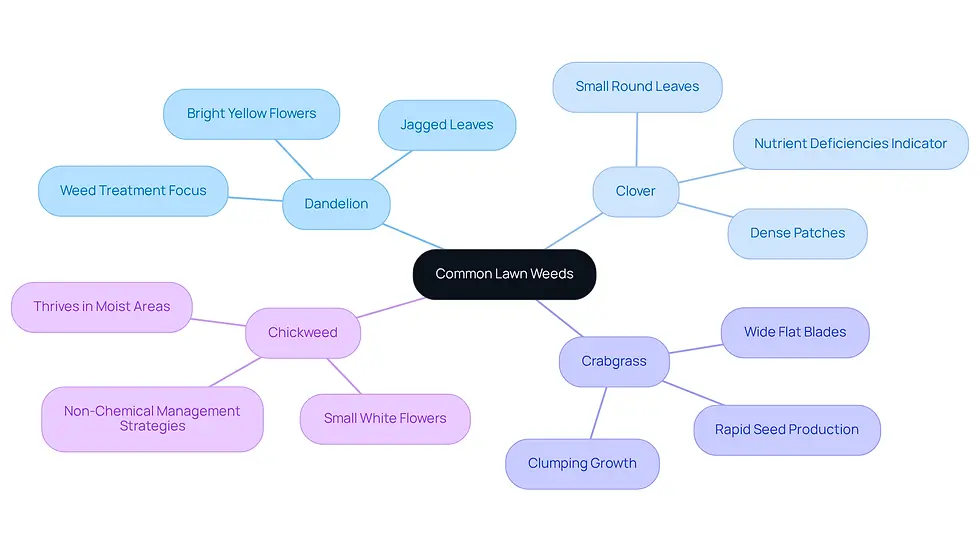
Dandelion (Taraxacum officinale): Recognizable by its bright yellow flowers and jagged leaves, dandelions can be a sign that your lawn isn't as healthy as it could be, which might be worrying for you as a homeowner. 'Spring Touch's second application focuses on dandelions and broadleaf plants, offering effective weed treatment for lawn health management. Claudio Rubione suggests that cover cropping might be a gentle and effective way to manage unwanted plants in your garden.
Clover (Trifolium spp.): This broadleaf plant has small, round leaves and can create dense patches, often indicating nutrient deficiencies in the soil. Patrick Tranel emphasizes the importance of understanding how plants work, noting that combining different methods can be more effective than relying solely on herbicides.
Crabgrass (Digitaria spp.): A grassy plant that spreads quickly, crabgrass can be identified by its wide, flat blades and tendency to grow in clumps. 'Spring Touch's first application includes a crabgrass preventer, which is helpful in the weed treatment for lawn, as a single specimen can produce thousands of seeds, complicating future management efforts. Without proper management, crabgrass can spread rapidly, making effective weed treatment for lawn difficult to maintain its best appearance.
Chickweed (Stellaria media): This low-growing plant has small white flowers and thrives in moist, shaded areas. Non-chemical management strategies, including cultural practices, can help suppress chickweed and reduce reliance on herbicides.
Utilize resources such as local extension services or online plant identification guides to familiarize yourself with these and other plants. By understanding these plants and employing the right strategies, you can cultivate a healthier, more vibrant yard that brings you peace of mind.
Implement Targeted Control Methods
Are you tired of battling unwanted plants that threaten the beauty of your lawn and looking for effective weed treatment for lawn? Let’s explore some effective strategies together for weed treatment for lawn using Spring Touch's organic lawn care solutions.
Pre-emergent Herbicides: Start by applying these in early spring before weed seeds have a chance to germinate. Products containing components like prodiamine or dithiopyr work wonders against annual plants such as crabgrass. Spring Touch's first application includes an organic-based fertilizer with crabgrass preventer, helping to restore nutrients and keep crabgrass at bay this summer. Research shows that applying pre-emergent herbicides by mid-April can significantly reduce crabgrass populations, giving you a healthier lawn.
If you’re dealing with existing plants, consider using selective herbicides as a weed treatment for lawn that targets specific types without harming your grass. For instance, 2,4-D is well-known for effectively managing broadleaf plants like dandelions. Spring Touch's second application focuses on dandelions and broadleaf plants, and it also includes grub control to tackle infestations. Proper timing and application of weed treatment for lawn can significantly enhance the effectiveness of these treatments, often requiring two to four applications spaced 10 to 14 days apart for the best results.
Weed treatment for lawn care is crucial for maintaining a healthy lawn. Proper mowing, watering, and fertilization can make a big difference. Mow at a height of 3-4 inches to shade the soil and prevent unwanted plant seed germination. Thorough, infrequent watering promotes robust root development, essential for turf resilience against invasive plants. Spring Touch's third application nourishes and thickens your lawn, further supporting its health.
Hand Pulling: For small infestations, hand-pulling can be an effective solution, especially for plants like chickweed. Just be sure to remove the entire root to prevent regrowth, as even small fragments can lead to new growth.
Organic Options: You might also consider natural plant control methods like vinegar or corn gluten meal, which can suppress unwanted growth without harmful chemicals. While corn gluten meal has shown variable outcomes, it can improve turfgrass competitiveness against unwanted plants when applied correctly.
With these strategies, including effective weed treatment for lawn, you can reclaim your outdoor space and enjoy a thriving environment that brings you peace of mind.

Maintain Vigilance and Regular Monitoring
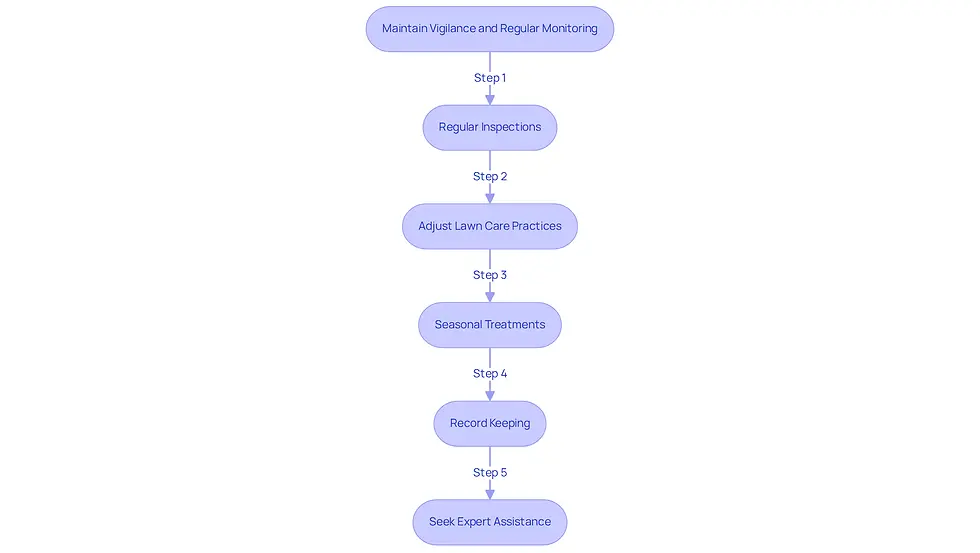
Many homeowners feel overwhelmed when they see weeds creeping into their lawns, despite their best efforts with weed treatment for lawn. Effective plant control goes beyond just the first treatments. It requires ongoing vigilance and careful monitoring. Here are essential best practices to ensure a thriving lawn:
Regular Inspections: Make it a habit to check your lawn weekly for any signs of new weed growth. Early identification is crucial for stopping unwanted plants from taking root and spreading.
Adjust Lawn Care Practices: Based on your observations, modify your mowing height, watering schedule, and fertilization methods to promote strong grass growth, which can surpass unwanted plants. Mowing at a height of 3 to 4 inches is especially advantageous, as it helps the grass flourish while reducing competition from weeds.
Seasonal Treatments: Consider seasonal treatments that fit the specific weeds you’re dealing with. For instance, applying weed treatment for lawn with pre-emergent herbicides in early spring can effectively stop unwanted plant growth, while post-emergent treatments should be applied as necessary throughout the growing season to control established plants.
Record Keeping: Keep a log of plant types, treatments applied, and their effectiveness. This documentation can assist in improving your approach over time and uncover patterns in plant emergence, allowing for more targeted interventions.
Seek Expert Assistance: If plant problems continue despite your efforts, think about reaching out to a garden care specialist. Their expertise can offer tailored solutions based on your yard's specific conditions and challenges.
With consistent care and attention, you can transform your lawn into a lush, inviting space that you can be proud of.
Conclusion
Have you ever looked at your lawn and felt overwhelmed by the weeds taking over? Identifying those pesky weeds is the first step to reclaiming your beautiful outdoor space. Understanding the weeds in your lawn can feel daunting, but it’s the key to keeping your lawn lush and inviting. From dandelions to crabgrass, knowing what you’re up against is crucial for effective management.
Regular care is your ally in the battle against weeds, helping your lawn thrive. Staying vigilant means you can catch new weeds before they take hold, keeping your lawn healthy and beautiful. Remember, a beautiful lawn is a journey, not a destination; it requires ongoing care and attention.
With these strategies in place, you’ll be well on your way to enjoying a vibrant, weed-free lawn. Taking these steps today means you can enjoy your outdoor space tomorrow, free from the worry of weeds.
Frequently Asked Questions
What are common lawn weeds found in Southern Minnesota?
Common lawn weeds in Southern Minnesota include dandelions, clover, crabgrass, and chickweed.
How can I identify dandelions?
Dandelions are recognizable by their bright yellow flowers and jagged leaves. They can indicate that your lawn isn't as healthy as it could be.
What treatment options are available for dandelions?
'Spring Touch's second application focuses on dandelions and broadleaf plants, offering effective weed treatment for lawn health management.
What does clover indicate about my lawn?
Clover, which has small, round leaves and can create dense patches, often indicates nutrient deficiencies in the soil.
How can I manage clover effectively?
Patrick Tranel suggests that understanding how plants work and combining different management methods can be more effective than relying solely on herbicides.
How can I identify crabgrass?
Crabgrass is a grassy plant characterized by wide, flat blades and a tendency to grow in clumps. It spreads quickly and can produce thousands of seeds.
What is the importance of managing crabgrass?
Without proper management, crabgrass can spread rapidly, complicating future lawn care efforts and making effective weed treatment difficult.
How can I manage chickweed?
Chickweed, which has small white flowers and thrives in moist, shaded areas, can be managed using non-chemical strategies, including cultural practices to suppress its growth.
Where can I find resources for identifying lawn weeds?
You can utilize local extension services or online plant identification guides to familiarize yourself with common lawn weeds and other plants.
List of Sources
Identify Common Lawn Weeds
Farmer Case Studies - Getting Rid Of Weeds (https://growiwm.org/farmer-case-studies)
growiwm.org (https://growiwm.org/learn-from-the-best-grow-farmer-case-studies)
Implement Targeted Control Methods
offer.osu.edu (https://offer.osu.edu/eco-weed-mngt/case-studies)
Weed Management in Lawns / Home and Landscape / UC Statewide IPM Program (UC IPM) (https://ipm.ucanr.edu/home-and-landscape/weed-management-in-lawns)
extension.okstate.edu (https://extension.okstate.edu/fact-sheets/controlling-weeds-in-home-lawns)
Maintain Vigilance and Regular Monitoring
lawnstarter.com (https://lawnstarter.com/blog/statistics/lawn-care-and-landscaping-industry-statistics)
offer.osu.edu (https://offer.osu.edu/eco-weed-mngt/case-studies)
extension.illinois.edu (https://extension.illinois.edu/lawns/managing-weeds-lawns)
Weed Management in Lawns / Home and Landscape / UC Statewide IPM Program (UC IPM) (https://ipm.ucanr.edu/home-and-landscape/weed-management-in-lawns)
growiwm.org (https://growiwm.org/learn-from-the-best-grow-farmer-case-studies)


