.png)
Your Seasonal Lawn Care Guide: Essential Tips for Every Season
- Spring Touch Team

- May 11
- 9 min read
Updated: 13 hours ago
Introduction
Many homeowners struggle with the challenges of seasonal lawn care, but there’s a way to simplify the process and achieve a beautiful lawn year-round. As the seasons change, your lawn faces unique challenges and opportunities for growth. A seasonal lawn care guide can be your best friend in keeping your lawn healthy, offering insights into the specific needs of different grass types and the environmental factors that influence their health. Without the right strategies, your lawn may not reach its full potential. This article delves into the critical strategies for each season, empowering you to cultivate a resilient landscape that not only survives but thrives through every season.
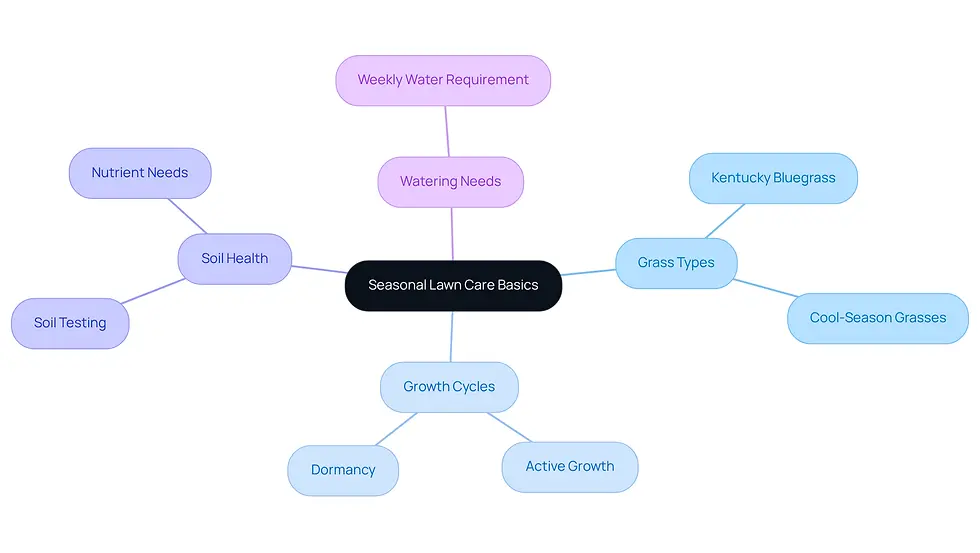
Understand Seasonal Lawn Care Basics
Maintaining a healthy lawn can feel daunting, especially when a seasonal lawn care guide is essential for managing the impacts of seasonal changes on its growth and vitality. Understanding the seasonal development patterns of turf and how environmental factors play a role is key to nurturing your lawn effectively.
In Southern Minnesota, cool-season grasses like Kentucky bluegrass thrive, particularly in the spring and fall. These grass types flourish during these seasons, making them ideal for your lawn. However, it can be overwhelming to know how to care for your lawn when following the seasonal lawn care guide, especially as the seasons change so drastically.
Grass experiences active growth in spring and fall, while it may enter dormancy during the heat of summer and the cold of winter. Understanding these cycles helps you know when to reference a seasonal lawn care guide, making the process feel more manageable. Without this knowledge, your lawn may struggle to thrive, leading to frustration and disappointment.
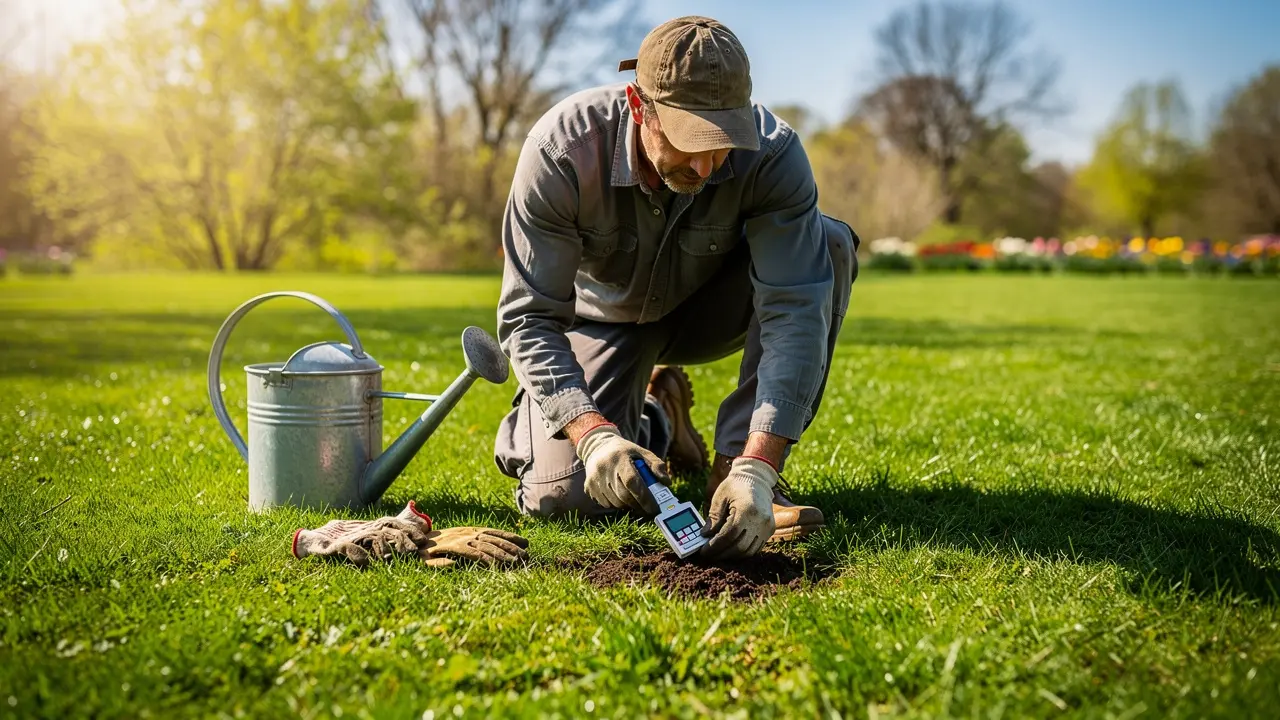
A thriving lawn starts with healthy soil. Testing your soil regularly can help you understand its needs, guiding you in how to nourish it effectively. This foundational step ensures that your lawn has the nutrients it requires to flourish.
Your lawn usually needs about an inch of water each week, whether from rain or your watering efforts, especially during those dry spells. By grasping these basics, you can nurture your lawn with confidence, ensuring it flourishes throughout the year.
Implement Spring Lawn Care Strategies
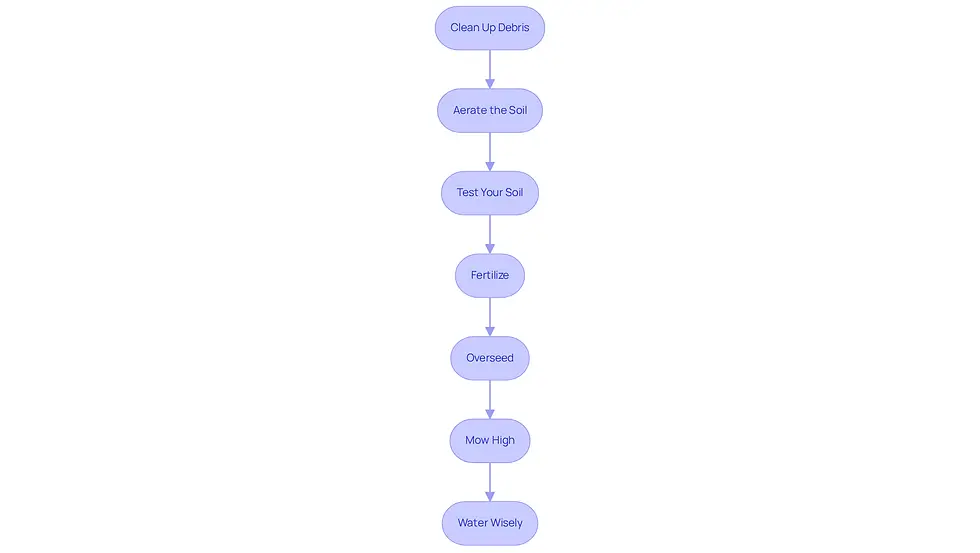
After a long winter, your lawn may look lifeless and neglected, leaving you unsure of how to restore its beauty. Spring is the perfect season to follow a seasonal lawn care guide to rejuvenate your lawn after cold dormancy. Implement these essential steps to ensure a lush, green lawn:
Clean Up Debris: By clearing away debris, you’re allowing sunlight to nourish your grass and keep it healthy. Start by removing leaves, branches, and any other debris accumulated over winter. This step helps prevent disease and promotes growth.
Aerate the Soil: Aeration is crucial for relieving soil compaction, enabling air, water, and nutrients to penetrate the roots effectively. Using a core aerator yields the best results, promoting deeper root growth and healthier grass.
Test Your Soil: Conduct a soil test to assess nutrient levels and pH. This information will guide your fertilization approach, ensuring your grass receives the right nutrients for optimal growth.
Fertilize: Use Spring Touch's organic-based fertilizer with bio-solids. This treatment not only helps your grass grow but also makes it stronger against the heat of summer. It replenishes essential nutrients and contains crabgrass preventer to keep your lawn healthy and weed-free.
Overseed: If your yard has bare spots, overseed with suitable grass seed to promote dense, healthy development. Small-scale overseeding can be beneficial in spring, while larger projects are best suited for late summer or fall.
Mow High: Set your mower blades to a higher setting (around 3 inches) to promote deeper root growth and shade out weeds. Mowing at the correct height is crucial for keeping a healthy yard.
Water Wisely: Ensure your grass receives about 1 inch of water per week, adjusting for rainfall. Consistent watering is key to supporting healthy growth, especially as temperatures rise. According to the seasonal lawn care guide, remember that spring is a recovery season, not a renovation season, so focus on nurturing your grass rather than aggressive treatments.
By nurturing your lawn this spring, you’re not just ensuring its beauty; you’re investing in its health for the entire season.
Maintain Lawn Health in Summer
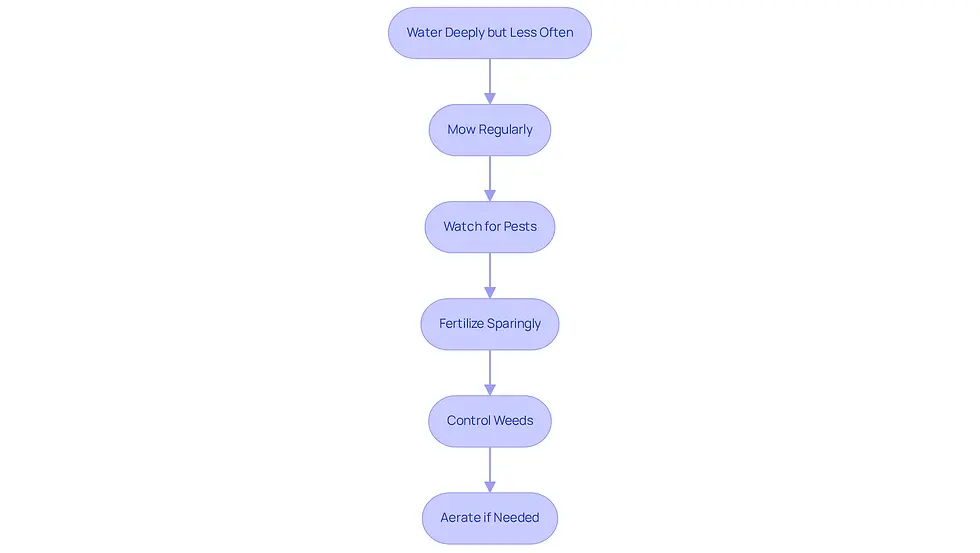
Summer heat can stress your lawn, leaving it vulnerable and less vibrant. But with the right care, you can keep your lawn thriving:
Water Deeply but Less Often: Water your lawn deeply but less often, aiming for about 1 inch of water each week. Early morning is the best time for watering, as it maximizes water intake and minimizes evaporation.
Mow Regularly: Keep your lawn at a height of 3-4 inches. Taller grass shades the soil, reducing evaporation and helping retain moisture, which is crucial during the warm summer months.
Watch for Pests: Keep an eye out for pests like grubs and chinch bugs; catching them early can make all the difference. If you notice signs of infestation, apply targeted treatments promptly to minimize damage.
Fertilize Sparingly: Limit heavy fertilization during peak summer heat. If you need to fertilize, choose a slow-release formula to provide nutrients without stressing the grass.
Control Weeds: Regularly check for weeds and remove them promptly. Using mulch in garden beds can effectively suppress weed growth and reduce competition for nutrients.
Aerate if Needed: If your grass shows signs of stress or compaction, consider aerating to improve soil health and enhance water penetration.
With these strategies, your lawn can not only survive but thrive, bringing beauty to your summer days.
Prepare Your Lawn for Winter in Fall
As autumn settles in, it’s time to prepare your yard for the challenges of winter, ensuring it remains vibrant and healthy. Implementing the following steps can help your grass stay resilient through the cold months ahead:
Mow Lower: Gradually reduce your mowing height to about 2-3 inches as the season progresses. This approach can help protect your grass from snow mold and other winter challenges, nurturing a healthier yard.
Aerate and Overseed: Aerating your grass alleviates soil compaction, while overseeding fills in bare areas. This combination promotes a denser turf that can better endure cold season stress, as demonstrated by case studies indicating enhanced resilience in treated areas.
Fertilize: Apply a winterizer fertilizer rich in potassium to strengthen root systems and prepare grass for winter dormancy. This treatment supports root development and helps your grass store energy, paving the way for a vibrant spring green-up. Spring Touch provides a specialized sixth application that contains fertilizer with dandelion and broadleaf weed management, which not only eliminates late-fall weeds but also enhances your grass for spring. Services are 100% guaranteed for customers who are on a complete program. We will retreat the lawn for free if there is any issue with service when the customer lets us know up to 15 days after the application date. Allow at least three days for the treatment to take effect before reaching out; this gives your grass the best chance to respond positively. Valid on complete programs only. According to Brooklawn Services, "A Winterizer boosts this natural process, helping roots grow deeper and stronger before winter dormancy."
Remove Leaves: Regularly raking or mulching fallen leaves is crucial to prevent them from suffocating your grass and inviting pests, creating a real challenge for your yard's health. Keeping your yard clear of debris is essential for maintaining its health.
Water Before Freeze: Ensure your grass is adequately watered before the ground freezes. Adequate hydration assists grass in retaining moisture, which is essential for survival during the cold season.
Clean Up Debris: Clear any remaining debris from your yard to minimize the risk of disease and pests, ensuring a clean slate for spring growth.
Taking these steps now, as outlined in the seasonal lawn care guide, means your yard will not just survive winter but thrive when spring arrives. Statistics suggest that yards receiving proper fall care are more likely to show early green-up and decreased disease occurrence, making timely action crucial for optimal turf health. Winter fertilizers typically contain a balanced mix of essential nutrients, including nitrogen, phosphorus, and potassium, with a higher ratio of potassium for root development and disease resistance. When you invest time in your yard this fall, you’re not just preparing for winter; you’re setting the stage for a lush, thriving spring.
Care for Your Lawn During Winter
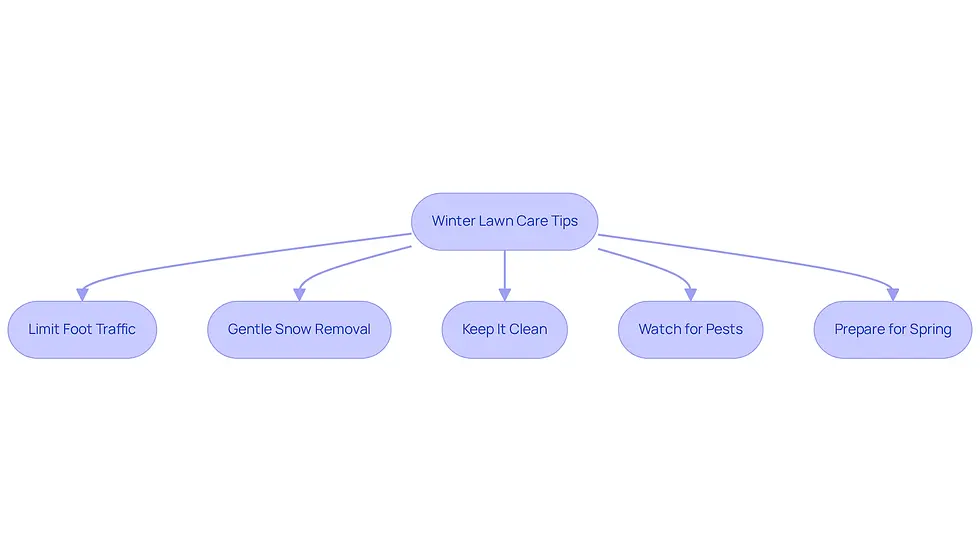
Winter can be a challenging time for your lawn, but with the right care, you can ensure it thrives come spring. Here are some essential tips to maintain your yard during the colder months:
Limit Foot Traffic: Try to limit foot traffic on your lawn during winter; this simple step can help protect your dormant grass. Experts emphasize that excessive traffic can lead to significant damage, especially when the ground is frozen and saturated.
Gentle Snow Removal: If snow builds up, gently remove it to keep your grass healthy and breathing. Avoid using de-icing salts, as many products, particularly sodium chloride, can disrupt soil structure and harm turf health.
Keep It Clean: Keeping your lawn clear of leaves and debris can make a big difference in preventing mold and disease. Accumulated organic matter can create a breeding ground for pests and diseases, especially in damp conditions.
Watch for Pests: Stay alert for any signs of pests that might be active during the cold months; a quick check can save you trouble later. If you notice unusual activity, consulting a pest control professional can help mitigate potential infestations.
Prepare for Spring: As winter winds down, take a moment to prepare for spring; checking your garden tools now can make all the difference. Inspect your equipment and get ready for essential tasks like aeration and fertilization, which are crucial for rejuvenating your yard after dormancy.
By implementing these winter care strategies outlined in the seasonal lawn care guide, you can safeguard your lawn against winter damage and ensure it is primed for growth when spring arrives.
Conclusion
Maintaining a vibrant lawn can feel overwhelming, but it doesn’t have to be. Understanding seasonal lawn care practices is key to ensuring your grass not only survives but truly thrives. It’s important to adapt your care strategies to meet your grass’s unique needs each season, helping it not just survive but truly thrive. When you understand the growth cycles and how the environment affects your lawn, nurturing it becomes much easier and more rewarding.
Throughout this guide, we’ve highlighted essential tips for each season. From rejuvenating your lawn in spring with cleanup and aeration to maintaining hydration and pest control in summer, and preparing it for winter with proper mowing and fertilization, each step is crucial. Remember, proactive care during the fall and winter months sets the stage for a lush, green lawn in spring, reinforcing the cyclical nature of lawn maintenance.
Caring for your lawn isn’t just about how it looks; it’s about creating a healthy ecosystem right in your yard. By implementing the strategies outlined, you can transform your lawn into a thriving green space that enhances the beauty of your surroundings. When you take these steps, you’re not just looking after your lawn; you’re nurturing a vibrant ecosystem that will bring you beauty and health for years to come.
Frequently Asked Questions
What is the importance of understanding seasonal lawn care basics?
Understanding seasonal lawn care basics is essential for managing the impacts of seasonal changes on grass growth and vitality, ensuring a healthy lawn throughout the year.
What type of grass thrives in Southern Minnesota?
In Southern Minnesota, cool-season grasses like Kentucky bluegrass thrive, particularly in the spring and fall.
When does grass experience active growth?
Grass experiences active growth in the spring and fall, while it may enter dormancy during the heat of summer and the cold of winter.
How can I ensure my lawn has the nutrients it requires?
Regularly testing your soil helps you understand its needs, guiding you in how to nourish it effectively for a thriving lawn.
How much water does my lawn need each week?
Your lawn usually needs about an inch of water each week, whether from rain or your watering efforts, especially during dry spells.
What are the essential steps for spring lawn care?
Essential steps include cleaning up debris, aerating the soil, testing your soil, fertilizing, overseeding, mowing high, and watering wisely.
Why is it important to clean up debris in spring?
Cleaning up debris allows sunlight to nourish your grass, prevents disease, and promotes growth.
What is the purpose of aerating the soil?
Aeration relieves soil compaction, enabling air, water, and nutrients to penetrate the roots effectively, promoting deeper root growth and healthier grass.
What should I do if my yard has bare spots?
Overseed with suitable grass seed to promote dense, healthy development, especially in spring for small-scale projects.
How should I adjust my mowing height in spring?
Set your mower blades to a higher setting (around 3 inches) to promote deeper root growth and shade out weeds.
What is the focus of lawn care in spring according to the seasonal lawn care guide?
Spring is a recovery season, so the focus should be on nurturing your grass rather than aggressive treatments.
List of Sources
Understand Seasonal Lawn Care Basics
wfxg.com (https://wfxg.com/online_features/press_releases/spring-lawn-care-start-now-for-a-greener-year-ahead/article_65776971-18a1-547d-8fc3-9f1a4ccdaeb8.html)
The Best Minnesota Lawn Care Schedule (https://lawnstarter.com/blog/minnesota/lawn-care-schedule-mn)
aol.com (https://aol.com/news/spring-lawn-care-start-now-141516562.html)
sciencedirect.com (https://sciencedirect.com/science/article/abs/pii/S0925857415301968)
extension.umn.edu (https://extension.umn.edu/growing-forages/managing-perennial-cool-season-forage-grasses-minnesota)
Implement Spring Lawn Care Strategies
echopress.com (https://echopress.com/lifestyle/spring-lawn-care-what-to-do-now-and-what-to-skip)
aol.com (https://aol.com/news/spring-lawn-care-start-now-141516562.html)
lcslawn.com (https://lcslawn.com/why-lawn-aeration-is-the-secret-to-thick-healthy-grass-in-wisconsin-and-minnesota)
southwestvoices.news (https://southwestvoices.news/premium/stacker/stories/spring-lawn-care-start-now-for-a-greener-year-ahead,157629)
petruslandscape.com (https://petruslandscape.com/gardening-statistics-in-2025)
Maintain Lawn Health in Summer
aol.com (https://aol.com/articles/11-summer-lawn-pests-rid-155631503.html)
whatgrassisthis.com (https://whatgrassisthis.com/blog/dealing-summer-lawn-pests-effective-strategies)
fertilawnmn.com (https://fertilawnmn.com/summer-lawn-care-to-do-list)
kglandscape.com (https://kglandscape.com/lawn-maintenance)
Prepare Your Lawn for Winter in Fall
brooklawnservices.com (https://brooklawnservices.com/benefits-of-a-winterizer-treatment-for-your-lawn-in-fall)
mainelygrass.com (https://mainelygrass.com/blog/winterizer-the-key-to-a-stronger-greener-lawn-next-spring)
unlimitedlawncare.com (https://unlimitedlawncare.com/about/our-blog/when-to-apply-winter-fertilizer)
greenacreslandscapeinc.com (https://greenacreslandscapeinc.com/winter-fertilizer-for-your-lawn-why-it-matters)
dynagreeninfo.com (https://dynagreeninfo.com/winterizer-fall-application)
Care for Your Lawn During Winter
shopping.yahoo.com (https://shopping.yahoo.com/home-garden/gardening/articles/yes-snow-ice-harm-lawn-040500688.html)
Winter Lawn Damage: What Prolonged Snow and Ice Can Do to Your Turf (https://fairwaygreeninc.com/winter-lawn-damage-what-prolonged-snow-and-ice-can-do-to-your-turf)
Lawn Care Facts (https://dnr.state.mn.us/rys/sl/lawncare.html)
spectrumlocalnews.com (https://spectrumlocalnews.com/nys/capital-region/weather/2026/02/12/prolonged-snow-coverage-leads-to-areas-of-snow-mold)
telegram.com (https://telegram.com/story/news/2026/03/11/heavy-snow-was-good-for-your-lawn-landscapers-say/89069769007)


