.png)
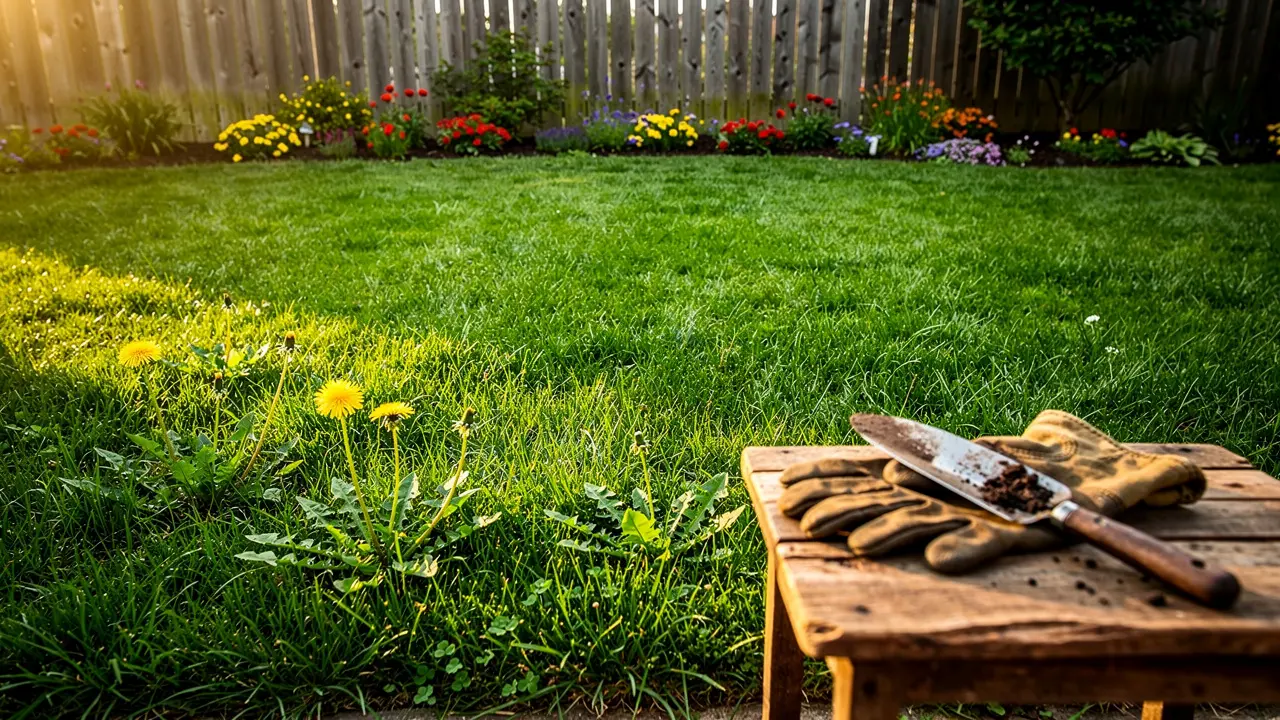
How to Weed and Feed Your Lawn: A Step-by-Step Guide
- Spring Touch Team

- 9 hours ago
- 7 min read
Introduction
Many homeowners dream of a lush, green lawn, but often feel overwhelmed by the weeds in their lawns, which can make achieving that dream seem impossible. Understanding how to effectively weed and feed a lawn is essential for transforming it into a vibrant space. This guide offers a comprehensive step-by-step approach that not only helps identify common weeds but also provides actionable strategies for:
Preparing the lawn
Applying weed and feed products
Maintaining a healthy lawn
With the right knowledge and tools, you can confidently make choices that suit your lawn's needs.
Identify Common Lawn Weeds
Many homeowners feel overwhelmed when they see their lawns overtaken by unwanted plants, unsure of how to reclaim their green spaces. To effectively manage and nourish your lawn, start by identifying the common plants present. Here’s how to do it:
Observe Your Lawn: Walk around your yard and take note of any unwanted plants. Look for broadleaf plants like dandelions and clover, as well as grassy varieties such as crabgrass, which are common in southern Minnesota.
Use Identification Resources: Check out online tools or ask your local extension service for help in identifying those plants. You’ll find plenty of websites with guides that show pictures and descriptions to make identification easier.
Take Photos: If you’re uncertain about a plant, snap a clear photo and compare it with online databases or seek assistance in gardening forums.
Categorize Unwanted Plants: Group the unwanted plants into categories: broadleaf, grassy, and sedges. This classification will help you determine the most effective treatment options.
Assess the Severity: Evaluate how widespread the unwanted plants are. This evaluation will affect your treatment strategy, as some plants may need different techniques than a heavily infested lawn.
When you recognize the unwanted plants, you can tailor your treatment for the best results. Keep in mind that handling herbicide-resistant plants can complicate your efforts, as they may require additional time and resources to manage effectively. As horticulturist Claudio Rubione observes, 'Without doubt, if you need to deal with a herbicide-resistant plant or plants, it will demand more time and financial resources.' Integrating effective identification strategies is essential for successful garden maintenance. Furthermore, think about using dandelion and broadleaf pest control with liquid fertilizer during the suitable seasonal periods, particularly in the third, fourth, and fifth applications, to ensure a flourishing turf and to stop pest seeds from establishing. Also, be aware of the challenges related to grass seed germination in Minnesota, as proper lawn preparation is essential for healthy growth. Taking the time to identify and categorize unwanted plants can be the key to a thriving lawn, giving you the peace of mind that comes with a well-maintained yard.

Prepare Your Lawn for Treatment
Are you struggling to achieve a lush, healthy lawn? Preparation is crucial for learning how to weed and feed your lawn successfully. Follow these steps to ensure your efforts pay off:
Mow Your Lawn: Set your mower to a height of 2.5 to 3 inches. This height helps expose weeds and lets the weed control components work better. Plus, it promotes deeper root systems, enhancing drought tolerance and overall grass health.
Clear Debris: Remove leaves, sticks, and other refuse from your yard. This guarantees that when you learn how to weed and feed your lawn, the fertilizer can make direct contact with both the grass and the unwanted plants, maximizing its effectiveness.
Water the Lawn: Lightly water your lawn a day prior to applying the substance. This assists the grass in absorbing nutrients and enables the pest management to stick more effectively to the unwanted plants, preparing for optimal outcomes.
Check the Weather: Schedule your application for a day when rain is not expected for at least 24 hours. This precaution prevents the item from being washed away before it can take effect, ensuring that your efforts yield the desired results.
Select the Appropriate Moment: The optimal times to apply herbicide and fertilizer are early morning or late afternoon when temperatures are lower and the grass is damp with dew. This timing enhances the absorption of the item and improves its effectiveness.
By understanding how to weed and feed your lawn, you can take care of your grass and create the right environment for effective treatment, leading to a healthier, more vibrant yard.

Apply Weed and Feed Products Effectively
Once your grass is ready, you might feel uncertain about how to weed and feed your lawn effectively. Here’s a streamlined approach to help you feel confident in your choices:
Select the Right Item: Understanding how to weed and feed your lawn by selecting the right weed and feed solution for your grass type and the weeds you’re dealing with can feel overwhelming, but it’s a crucial step in nurturing your lawn. Always read the label for guidance on application rates and timing. At Spring Touch, our organic-based fertilizer with bio-solids not only nourishes your lawn but also includes crabgrass preventer, making it an excellent choice for spring.
Use a Spreader: For granular materials, utilizing a broadcast or drop spreader ensures even distribution. Adjust the spreader settings according to the product instructions to avoid uneven application. Grass care experts suggest using a spreader for best outcomes, as it reduces the chance of burn on the turf.
Apply Evenly: Walk in straight lines across your yard, overlapping slightly with each pass to guarantee uniform coverage. Over-applying can lead to unsightly patches and stress your lawn, which is the last thing you want. Recent trends indicate that homeowners are focusing on precision in application to enhance turf health.
Water After Application: Allow at least 24 hours before watering your grass. This waiting period allows the herbicide to infiltrate the plants effectively. After this time, lightly water your lawn to activate the fertilizer. Spring Touch's second application targets dandelions and broadleaf weeds while also controlling grubs, exemplifying the importance of timely watering for optimal results.
Monitor Weather Conditions: If rain is forecasted within 24 hours, consider delaying the application to prevent runoff, which can diminish the product's effectiveness. Delaying your application can save you from wasting your efforts and ensure your lawn gets the care it deserves.
By taking these steps on how to weed and feed your lawn, you are not just treating your lawn; you are nurturing it for a vibrant future. For Minnesota homeowners in 2026, consider using products specifically designed for the region's climate and soil conditions to achieve the best results, such as those offered by Spring Touch.

Maintain Your Lawn Post-Treatment
After applying weed and feed, many homeowners worry about how to weed and feed your lawn effectively to keep it healthy and vibrant. Proper maintenance is essential for your yard's health. Here’s how to care for your lawn effectively:
Hold Off on Mowing: It’s best to hold off on mowing your grass for at least 48 hours after application. This waiting period allows the control product to work effectively.
Water Regularly: Try to give your grass about 1 inch of water each week, whether from rain or irrigation. Consistent watering helps your grass recover and promotes healthy growth.
Watch for Unwanted Plants: Keep an eye on your grass for any remaining unwanted plants. If you spot any persistent ones, consider spot-treating them with a targeted herbicide to manage them effectively.
Fertilize Again: Depending on the product used, you may need to apply fertilizer once more in 6 to 8 weeks to maintain grass health. Choose a fertilizer that complements your feed application for the best results.
Practice Good Turf Care: Continue with regular maintenance practices, such as aeration and overseeding, to enhance your grass's resilience against future weed invasions.
By following these simple steps, you can nurture your lawn back to health and enjoy a lush, green space.

Conclusion
Many homeowners struggle with the overwhelming presence of weeds that threaten to ruin their hard work. Understanding how to weed and feed is essential for reclaiming and nurturing a healthy lawn. This guide walks you through the necessary steps to identify common weeds, prepare your lawn for treatment, apply weed and feed products effectively, and maintain your yard post-treatment. Imagine stepping outside to a vibrant lawn, knowing you’ve taken the right steps to nurture it.
Key insights include:
The importance of accurately identifying unwanted plants to tailor treatment strategies
Preparing the lawn for optimal product absorption
Ensuring a consistent maintenance routine after application
Each step, from mowing and clearing debris to monitoring weather conditions and watering, plays a critical role in the success of the weed and feed process. Additionally, recognizing the specific needs of Minnesota lawns can further enhance results, making the right product selection and application timing crucial.
By committing to these practices, you’re not just enhancing your lawn’s beauty; you’re creating a sanctuary for relaxation and enjoyment. Homeowners are encouraged to embrace these strategies and remain vigilant in their lawn care efforts. A well-maintained lawn not only enhances curb appeal but also offers a relaxing outdoor space for enjoyment and relaxation.
Frequently Asked Questions
How can I identify common lawn weeds in my yard?
Start by observing your lawn and noting any unwanted plants. Look for broadleaf plants like dandelions and clover, as well as grassy varieties such as crabgrass.
What resources can I use to help identify lawn weeds?
You can use online identification tools or consult your local extension service for assistance. Many websites provide guides with pictures and descriptions for easier identification.
Is it helpful to take photos of the plants I want to identify?
Yes, taking clear photos of uncertain plants can help you compare them with online databases or seek advice in gardening forums.
How should I categorize unwanted plants in my lawn?
Group the unwanted plants into categories such as broadleaf, grassy, and sedges. This classification will assist you in determining the most effective treatment options.
Why is it important to assess the severity of unwanted plants in my lawn?
Evaluating how widespread the unwanted plants are will influence your treatment strategy, as different plants may require different management techniques.
What challenges might I face with herbicide-resistant plants?
Dealing with herbicide-resistant plants can complicate management efforts, requiring more time and financial resources to address effectively.
When should I consider using dandelion and broadleaf pest control?
It's advisable to use dandelion and broadleaf pest control with liquid fertilizer during the third, fourth, and fifth applications of the growing season for optimal results.
What should I keep in mind regarding grass seed germination in Minnesota?
Proper lawn preparation is essential for healthy grass seed germination, and it's important to be aware of the challenges related to this process in Minnesota.
List of Sources
Identify Common Lawn Weeds
Learn from the Best: GROW Farmer Case Studies - Getting Rid Of Weeds (https://growiwm.org/learn-from-the-best-grow-farmer-case-studies)
Prepare Your Lawn for Treatment
Achieving Perfect Lawn Care: A Case Study by SQ Roots Property Maintenance | SQ. ROOTS (https://sqroots.net/blog/achieving-perfect-lawn-care-a-case-study-by-sq-roots-property-maintenance)
Raise the Mowing Height for Weed and Grub Defense (https://canr.msu.edu/resources/mow_high_for_weed_and_grub_control)
Organic Weed Control Case Studies | OFFER (https://offer.osu.edu/eco-weed-mngt/case-studies)
Apply Weed and Feed Products Effectively
Lawn Care and Landscaping Industry Statistics (https://lawnstarter.com/blog/statistics/lawn-care-and-landscaping-industry-statistics)
Organic Weed Control Case Studies | OFFER (https://offer.osu.edu/eco-weed-mngt/case-studies)
Landscape Industry Statistics | NALP (https://landscapeprofessionals.org/LP/LP/Media/landscape-industry-statistics.aspx)
United States Lawn Care Market - Companies, Industry Size & Analysis (https://mordorintelligence.com/industry-reports/united-states-lawn-care-market)
Maintain Your Lawn Post-Treatment
Landscape Industry Statistics | NALP (https://landscapeprofessionals.org/LP/LP/Media/landscape-industry-statistics.aspx)
Case Studies (https://tayloeslawncare.com/case-studies)


