.png)
Master Flea Spray for Yards: 4 Essential Best Practices
- Spring Touch Team

- 3 days ago
- 7 min read
Updated: 2 days ago
Introduction
Imagine stepping into your backyard, only to be met with the irritation of fleas hopping around, turning your peaceful retreat into a battleground. To truly enjoy your outdoor space, it’s vital to understand the biology and behavior of these pests that threaten your peace.
Let’s explore some effective ways to apply flea spray, so you and your family can enjoy your outdoor areas without the worry of these pesky invaders. You might wonder, how can you make sure your efforts pay off and keep those fleas from coming back?
Understand Flea Biology and Behavior
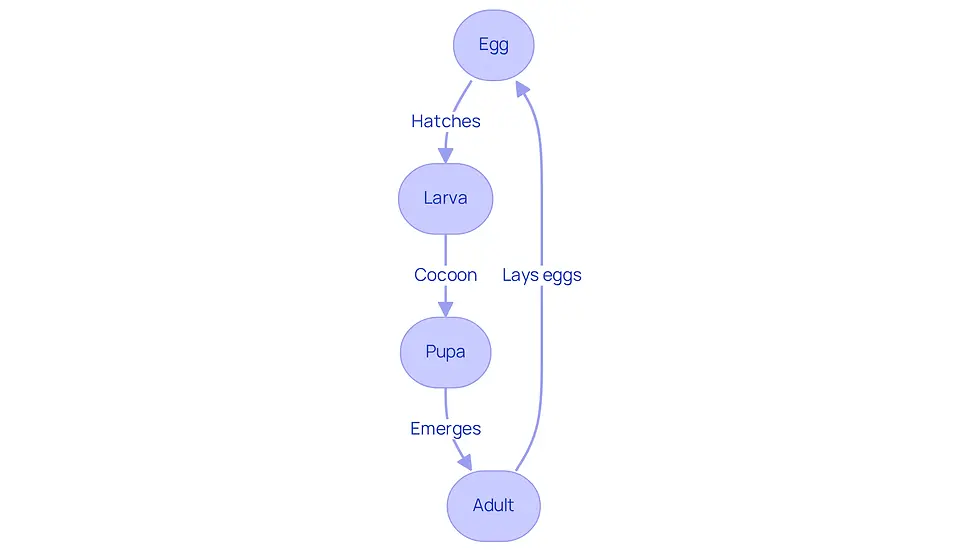
Fleas can be a persistent problem, especially in southern Minnesota's warm and humid climate, where their life cycle can quickly escalate if not managed properly. They undergo a four-stage life cycle: egg, larva, pupa, and adult. In this environment, mature fleas can lay up to 50 eggs each day, leading to a rapid increase in their population. The larvae thrive on organic debris, making it essential to address not just the visible pests but also their eggs and larvae.
The pupal stage can remain inactive for long periods, which adds to the challenge. Fleas often find refuge in shaded areas of your yard, such as beneath decks or in tall grass, highlighting the need for flea spray for yards in our region. Recognizing these behaviors is key to timing your interventions and focusing on areas where fleas are likely to gather.
By regularly checking your home and taking simple steps like vacuuming and washing your pet's bedding in hot water, you can effectively disrupt their life cycle and keep your space flea-free. Proactive measures, such as applying flea spray for yards, are vital for managing pest populations, as flea-borne illnesses like typhus can pose health risks to both pets and family members.
By applying these strategies and utilizing our expert services at Spring Touch Lawn & Pest Control, you can create a safer, healthier home for your family and pets, free from the threat of fleas.
Prepare Your Yard for Effective Treatment
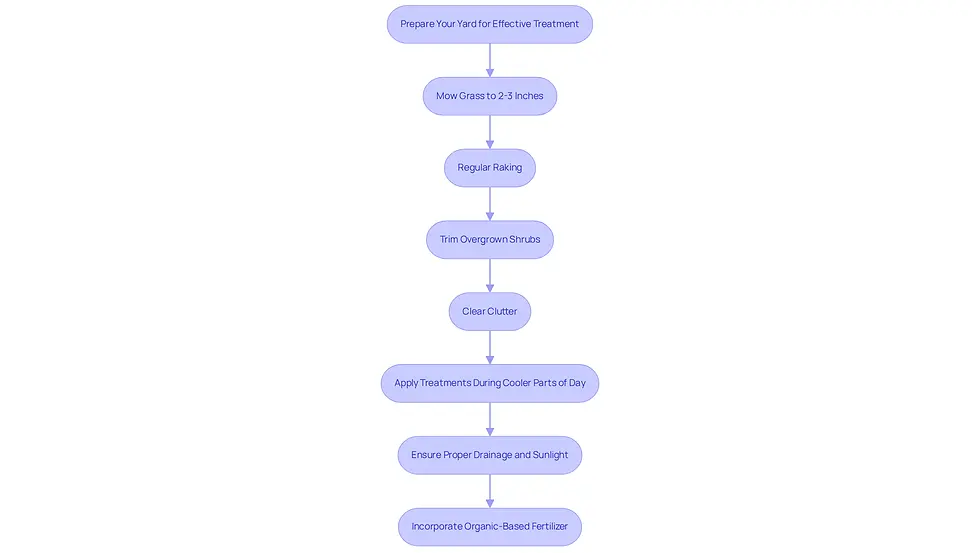
Imagine stepping into your yard, knowing it’s a safe haven, free from pests with the help of flea spray for yards. Start by mowing your grass to a height of 2-3 inches to create that sanctuary. This simple step not only enhances the spray's effectiveness but also minimizes those pesky hiding spots where pests might lurk. Regular raking helps clear away those hidden spots where fleas might hide, and using flea spray for yards ensures your lawn looks great and feels safe for your family.
Trimming overgrown shrubs and clearing clutter not only beautifies your yard but also removes potential refuges for pests, creating a more inviting space for you and your loved ones. Timing your treatments is key; applying them during the cooler parts of the day, like early morning or late afternoon, ensures they work their magic without evaporating too quickly. A yard with proper drainage and sunlight not only looks vibrant but also creates an environment that pests find less appealing.
By keeping up with regular maintenance, like mowing and clearing debris, you’re not just reducing pest habitats; you’re also ensuring that your lawn is healthy enough to benefit from flea spray for yards, making it more vibrant for everyone to enjoy. For a truly thriving lawn, think about incorporating an organic-based fertilizer that nourishes the soil and helps keep pests at bay, creating a lush environment for your family to enjoy.
Apply Flea Spray Using Best Practices
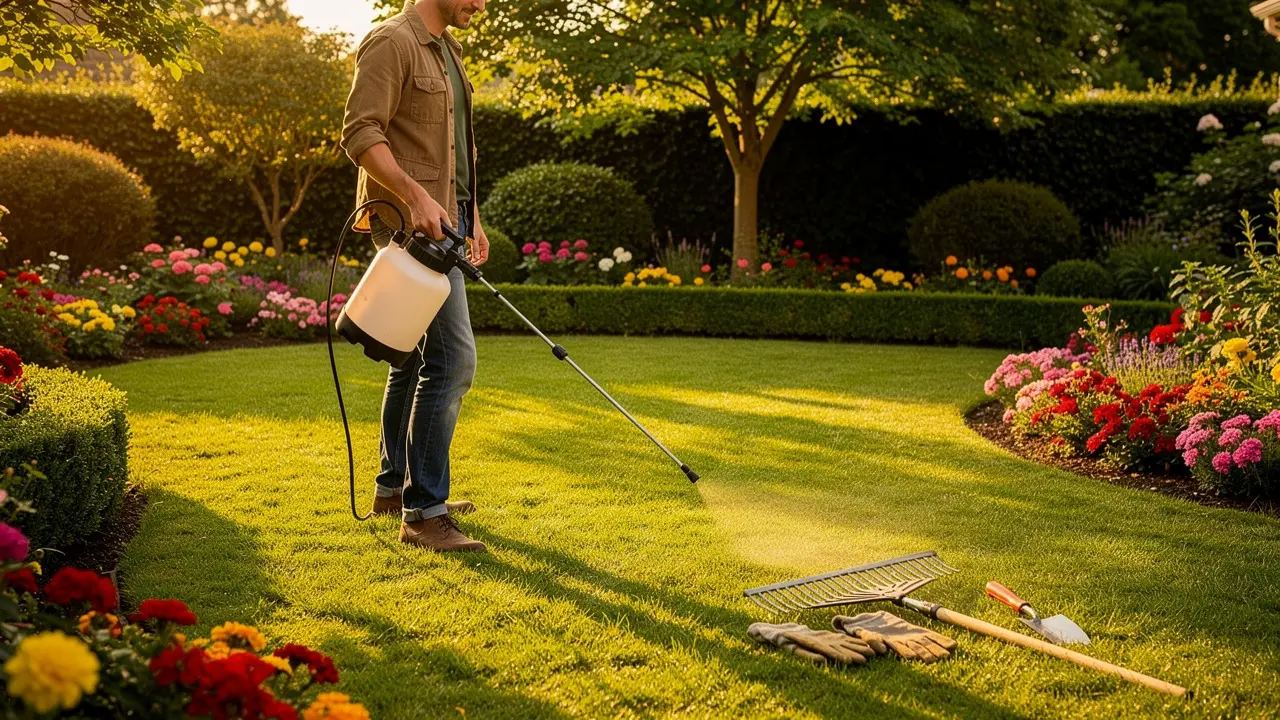
Fleas can quickly invade your home, causing discomfort for both pets and family members. To tackle this issue effectively, focus on areas where fleas like to hide, such as shaded spots and near your pet’s favorite resting places. Before applying flea spray for yards, mow your lawn to a height of 2-3 inches. This allows sunlight to reach the soil, helping the treatment penetrate effectively. Use a sprayer that ensures even distribution, and follow the manufacturer’s instructions closely regarding dilution and application rates. When applying, use a sweeping motion to avoid over-saturating any one area.
Pay special attention to the edges of your yard and thick vegetation, as these spots are often where pests like to make their homes, so using flea spray for yards can be very effective. Clearing away debris from your yard beforehand can also minimize hiding places for these unwanted guests. After applying the spray, it’s best to refrain from mowing or watering the lawn for at least 24 hours. This gives the treatment time to work its magic.
Reapplying flea spray for yards every 14 to 21 days, especially after it rains, is key to keeping those pesky pests at bay. This proactive approach not only disrupts the insect life cycle but also significantly reduces the chances of re-infestation, ensuring a safer outdoor space for your family and pets. Remember, outdoor pest control is crucial in southern Minnesota to protect your loved ones from health risks associated with these insects, such as diseases like tapeworms and Bartonellosis. If you’re looking for expert help, Spring Touch Lawn & Pest Control offers comprehensive lawn care and pest management solutions, including expert mosquito and tick control services. They ensure a beautiful, bug-free outdoor space, and new customers can enjoy their first application free when signing up for complete programs, backed by a 100% satisfaction guarantee. Taking proactive steps today can ensure a safer, more enjoyable outdoor space for your family and pets tomorrow.

Maintain a Flea-Free Environment Post-Treatment
Keeping your yard flea-free can feel overwhelming, but it doesn’t have to be a constant battle. Regularly trimming your grass helps reduce those shady spots where pests love to hide, since they prefer cool, damp areas. Plus, consistently clearing away debris and organic material can eliminate potential breeding sites for these unwelcome guests. You can also use natural deterrents like diatomaceous earth in areas where pests might be lurking, providing a safe, non-toxic solution for pest management.
It's crucial to keep an eye on your pets for any signs of parasites. Treat them with veterinarian-recommended pest control products to ensure their safety. Establishing a schedule for reapplying pest control solutions every few weeks, especially during peak infestation times, is key to maintaining ongoing protection against these invaders. Did you know that adult fleas can survive for up to 100 days? One female can lay around 2,000 eggs in her lifetime, which is why keeping an eye on your pets and yard is so important.
At Spring Touch Lawn & Pest Control, we understand the challenges homeowners face in southern Minnesota. Our comprehensive flea management strategies include the use of flea spray for yards along with home care, ensuring your living space remains comfortable for both pets and family. As a new customer, don’t miss out on your first application being free when you sign up for a complete program! With over 1,320 five-star reviews, we are committed to delivering effective results and maintaining your outdoor space as a pest-free haven. With the right approach, you can reclaim your outdoor space and enjoy peace of mind knowing your family and pets are safe.

Conclusion
Flea infestations can turn your outdoor space into a source of stress and concern for your family and pets. It's a problem many homeowners face, especially in southern Minnesota, where these pests can thrive. The good news is that by taking proactive measures with flea sprays, you can protect your loved ones and bring peace of mind to your outdoor activities.
Key strategies include:
Preparing your yard through regular maintenance
Applying flea spray at optimal times
Ensuring a flea-free environment after treatment
Understanding flea biology and behavior allows for targeted interventions, while consistent yard care and reapplication of treatments ensure lasting results. Consider reaching out to Spring Touch Lawn & Pest Control for personalized help, ensuring your yard stays a pest-free haven.
Taking these steps not only protects your loved ones but also transforms your yard into a safe retreat for years to come.
Frequently Asked Questions
What is the life cycle of fleas?
Fleas undergo a four-stage life cycle: egg, larva, pupa, and adult. In southern Minnesota's warm and humid climate, this life cycle can escalate quickly if not managed properly.
How many eggs can a mature flea lay?
A mature flea can lay up to 50 eggs each day, leading to a rapid increase in their population.
What do flea larvae thrive on?
Flea larvae thrive on organic debris, making it essential to address not just the visible fleas but also their eggs and larvae.
How long can the pupal stage of fleas remain inactive?
The pupal stage can remain inactive for long periods, which adds to the challenge of managing flea populations.
Where do fleas typically find refuge in southern Minnesota?
Fleas often find refuge in shaded areas of your yard, such as beneath decks or in tall grass.
What proactive measures can be taken to manage fleas?
Regularly checking your home, vacuuming, and washing your pet's bedding in hot water can effectively disrupt the flea life cycle and help keep your space flea-free.
Why is it important to apply flea spray for yards?
Applying flea spray for yards is vital for managing pest populations, as flea-borne illnesses like typhus can pose health risks to both pets and family members.
How can Spring Touch Lawn & Pest Control help with flea management?
By utilizing expert services from Spring Touch Lawn & Pest Control and applying effective strategies, you can create a safer, healthier home for your family and pets, free from the threat of fleas.
List of Sources
Understand Flea Biology and Behavior
Master Flea Control: Essential Practices for Homeowners (https://springtouchlawn.com/post/master-flea-control-essential-practices-for-homeowners)
Flea Infestations in the Workplace: A Guide for Florida Businesses (https://turnerpest.com/fleas-in-commercial-spaces-risks-and-prevention-strategies)
A case for year-round flea control | dvm360 (https://dvm360.com/view/case-year-round-flea-control)
syngentapmp.com (https://syngentapmp.com/articles/newsarticle.aspx?type=tech&paid=78700)
Breaking the Flea Life Cycle: Why IGRs Are Vital to Eradication (https://pctonline.com/news/break-flea-life-cycle-igrs)
Prepare Your Yard for Effective Treatment
Lawn Care for Fleas and Ticks: Protecting Your Pets | TruGreen (https://trugreen.com/lawn-care-101/blog/pest-control-and-mosquito-defense/pets-and-outdoor-threats)
Preventing Fleas (https://cdc.gov/fleas/prevention)
Keeping Fleas Out of Your Yard: Tips for a Happy, Healthy Home | Humane Society of Greater Dayton (https://hsdayton.org/2024/03/keeping-fleas-out-of-your-yard-tips-for-a-happy-healthy-home)
Master Flea Lawn Treatment: Strategies for Effective Control (https://springtouchlawn.com/post/master-flea-lawn-treatment-strategies-for-effective-control)
Your Guide to Preparing for Flea and Tick Season (https://aspca.org/news/your-guide-preparing-flea-and-tick-season)
Apply Flea Spray Using Best Practices
Master Flea Spray for the Yard: Effective Tips for Homeowners (https://springtouchlawn.com/post/master-flea-spray-for-the-yard-effective-tips-for-homeowners)
How to Spray Your Yard for Fleas: Steps for Effective Treatment (https://springtouchlawn.com/post/how-to-spray-your-yard-for-fleas-steps-for-effective-treatment)
Control Fleas on Your Pet, in Your House, and in Your Yard | Mississippi State University Extension Service (https://extension.msstate.edu/publications/control-fleas-on-your-pet-your-house-and-your-yard)
Maintain a Flea-Free Environment Post-Treatment
Keeping Fleas Out of Your Yard: Tips for a Happy, Healthy Home | Humane Society of Greater Dayton (https://hsdayton.org/2024/03/keeping-fleas-out-of-your-yard-tips-for-a-happy-healthy-home)
Master Yard Flea Control: Steps for a Flea-Free Home (https://springtouchlawn.com/post/master-yard-flea-control-steps-for-a-flea-free-home)
How to Get Rid of Fleas: Dogs, Cats, Home, and Yard (https://wondercide.com/blogs/news/how-to-get-rid-of-fleas?srsltid=AfmBOoq9iGvfu32YYX7m_WSNp8R9VtYI5Zr26ZAF1laj-8Kb9f0rfXEx)
How to Treat Fleas and Prevent Their Return - Consumer Reports (https://consumerreports.org/home-garden/pest-control/how-to-flea-proof-your-pet-home-and-lawn-a1173710086)


