.png)
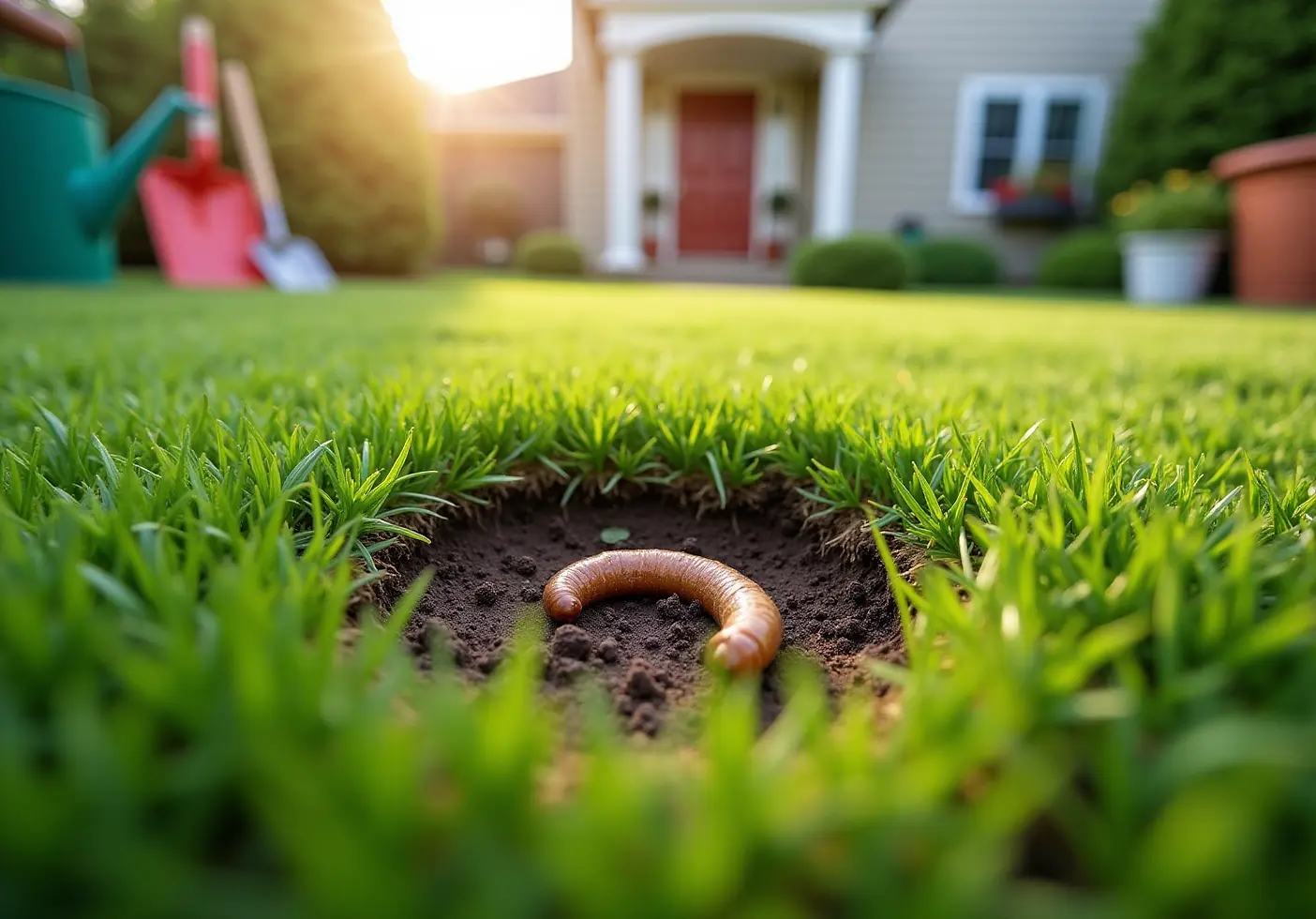
Master Lawn Grub Killer Techniques for a Healthy Lawn
- Spring Touch Team

- Apr 17
- 7 min read
Updated: 4 hours ago
Introduction
Lawn grubs, those hidden threats lurking just beneath the surface, can cause significant damage to even the most lovingly maintained yards. These larvae, often emerging from beetles like Japanese and June bugs, not only jeopardize the visual appeal of your lawn but also its overall vitality. It’s concerning to think that something so small can have such a big impact on your green space.
But don’t worry-this article will guide you through effective strategies for identifying, selecting, and applying the right grub killers. With the right approach, you can safeguard your lawn from these pesky invaders.
With so many products and methods available, it can feel overwhelming. How do you navigate the complexities of lawn care to achieve a thriving, grub-free lawn? Rest assured, you’re not alone in this journey.
Understand Lawn Grubs: Life Cycle and Impact on Your Lawn
Lawn pests, particularly the larvae of beetles like Japanese beetles and June bugs, pose a significant threat to your yard. They go through a four-stage life cycle: egg, larva, pupa, and adult. Understanding this cycle is crucial for effective control strategies. Grubs typically hatch in late spring and begin to feed on grass roots throughout the summer, especially from June to August. This feeding can lead to noticeable damage, with brown spots and spongy turf being clear signs of infestation.
In Southern Minnesota, it’s common to find 10 or more larvae per square foot. If you discover an average of five or more larvae, it’s time to consider pesticide treatment to minimize harm. Additionally, keep an eye out for signs of insect damage, such as digging by birds, moles, skunks, and raccoons in your yard. Recognizing these indicators early is vital; untreated infestations can cause significant damage to your grass and lead to costly repairs.
Proactive monitoring during peak insect activity periods - especially from August through October and again in April through early May - can help prevent extensive damage and keep your yard healthy. At Spring Touch, we offer expert yard care solutions that effectively include a lawn grub killer to tackle grub infestations. Our certified technicians use safe and effective methods to protect your greenery, ensuring a beautiful and healthy outdoor space.
As a new client, you can take advantage of our exclusive offer: your first submission is FREE when you enroll in our comprehensive yard care program. Transform your yard with Spring Touch and enjoy a bug-free environment all season long!

Choose the Right Grub Killer: Product Selection and Safety Considerations
Choosing the right lawn grub killer for your lawn can seem overwhelming. You want to protect your grass, but with so many options available, it’s easy to feel uncertain about which lawn grub killer will be the most effective. Products like Imidacloprid or Chlorantraniliprole, such as Acelepryn G, stand out for their ability to prevent pests effectively. They offer season-long protection with just a single treatment, giving you peace of mind that your lawn is safeguarded.
However, if you’re already facing an infestation, you might be considering curative options like Trichlorfon or Carbaryl. While these can address existing problems, it’s important to be aware that Carbaryl’s effectiveness can vary. In some cases, it may even lead to more grubs in treated areas than in untreated ones, which can be frustrating. This is why safety should always come first. Make sure to read labels carefully and use personal protective equipment (PPE) during application to keep yourself and your family safe.
For those who are environmentally conscious, there are organic alternatives available. Beneficial nematodes or Milky Spore can provide effective control without the use of harmful chemicals, allowing you to care for your lawn while also caring for the planet. Additionally, consider incorporating Spring Touch's organic-based fertilizer, which includes bio-solids and crabgrass preventer, into your yard care routine. This treatment not only replenishes essential nutrients but also helps prevent crabgrass, creating a healthier environment for your grass.
Ultimately, it’s crucial to select a lawn grub killer and other products that align with your lawn care while ensuring they effectively combat pests. To maximize the effectiveness of preventive products, aim to apply them from late May to early July. This timing can make a significant difference in keeping your lawn healthy and pest-free.

Apply Grub Killers Effectively: Timing, Techniques, and Safety Measures
When it comes to controlling larvae, timing is everything. The peak feeding periods for these pests typically occur from late spring to early summer. In Southern Minnesota, the best time to act is between mid-June and early July, when larvae are most vulnerable. To set the stage for success, trim your grass to a height of 3.5 to 4 inches. This simple step encourages deeper root growth, making your turf more resilient against pest damage.
As you prepare your yard for the season, consider using 'Spring Touch's organic-based fertilizer with bio-solids and crabgrass preventer. This can be a fantastic first step, helping to restore nutrients and keep crabgrass at bay this summer. Remember, preventative treatments are usually more effective than trying to fix problems after they arise. A gentle misting of the grass before applying granular products can draw pests closer to the surface, enhancing the treatment's effectiveness. Look for pest control products that contain Trichlorfon or Imidacloprid, as these reliable options serve as effective lawn grub killers. Always follow the manufacturer's instructions for application rates and methods to ensure even coverage. After applying insecticide, it's wise to hold off on excessive watering for at least 24 hours, allowing the product to penetrate the soil effectively.
Your safety is crucial. Always wear appropriate personal protective equipment (PPE), such as gloves and masks, to reduce chemical exposure. Keep an eye on your yard for signs of insect activity, like brown patches or thinning grass. Tools like Farmonaut’s AI system can provide real-time alerts about pest populations, helping you manage infestations more effectively. Addressing pest issues promptly is vital; neglecting them can lead to significant damage to your yard. 'Spring Touch's second application not only targets dandelions and broadleaf weeds but also features a lawn grub killer, ensuring a comprehensive approach to yard care.

Monitor and Maintain Lawn Health: Post-Application Care and Prevention Strategies
After using pest control products, it’s important to keep an eye on your lawn for signs of recovery and any possible re-infestation. You might feel concerned about whether your efforts are paying off, but establishing a regular maintenance schedule can really help. Deep, infrequent watering encourages strong root growth, making your lawn more resilient against pests.
Yearly aeration is another key step. It enhances soil vitality and reduces compaction, creating an environment that’s less inviting for pests. You may worry about the health of your lawn, but overseeding in the fall can help establish a dense turf that stands up better to pest pressures.
Don’t forget to check for signs of larval activity, like spongy grass or increased animal digging. These early warnings allow you to take swift action and prevent further damage. Aeration not only improves nutrient uptake but also boosts water infiltration, which is crucial for maintaining a healthy landscape.
Statistics show that aeration can significantly enhance soil structure, leading to deeper root systems that are more resilient to drought and pest pressures. By implementing these strategies, you can effectively use a lawn grub killer to protect your lawn from grubs and ensure its long-term health.

Conclusion
Understanding and effectively managing lawn grubs is crucial for keeping your yard lush and vibrant. These pests can wreak havoc on your lawn, leading to unsightly patches and unhealthy grass. But don’t worry - by recognizing their life cycle and implementing the right control strategies, you can protect your outdoor space from their damaging effects. This proactive approach not only minimizes potential harm but also ensures a healthier environment for you and your family to enjoy.
Timely intervention is key. Selecting suitable grub killers and maintaining your lawn are essential steps in this process. Whether you choose chemical or organic products, applying them at the right times can make all the difference. Each action you take plays a pivotal role in safeguarding your lawn. Plus, keeping an eye out for signs of infestation and adopting preventive measures can significantly boost your grass's resilience against future pest pressures.
In conclusion, taking action against lawn grubs is a vital investment in the health of your landscape. By embracing these best practices, you can cultivate a thriving lawn that stands strong against pest invasions. Consider seeking professional assistance to ensure your yard remains a beautiful and bug-free environment all season long. You deserve a space that brings you joy and peace of mind.
Frequently Asked Questions
What are lawn grubs and why are they a concern for my yard?
Lawn grubs are the larvae of beetles, such as Japanese beetles and June bugs, and they pose a significant threat to your yard by feeding on grass roots, which can lead to damage.
What is the life cycle of lawn grubs?
Lawn grubs go through a four-stage life cycle: egg, larva, pupa, and adult.
When do lawn grubs typically hatch and feed?
Grubs usually hatch in late spring and begin to feed on grass roots throughout the summer, particularly from June to August.
What signs indicate a lawn grub infestation?
Signs of infestation include brown spots in the lawn and spongy turf, which are clear indicators of damage caused by grub feeding.
How many grubs are considered problematic in Southern Minnesota?
In Southern Minnesota, finding an average of five or more larvae per square foot is a sign that pesticide treatment should be considered to minimize harm.
What other signs of insect damage should I look for?
Look for signs such as digging by birds, moles, skunks, and raccoons, as these animals often dig for grubs in the yard.
When is the best time to monitor for lawn grubs?
Proactive monitoring should occur during peak insect activity periods, especially from August through October and again in April through early May.
What solutions does Spring Touch offer for grub infestations?
Spring Touch offers expert yard care solutions, including a lawn grub killer, to effectively tackle grub infestations and protect your yard.
Is there a special offer for new clients at Spring Touch?
Yes, new clients can take advantage of an exclusive offer where the first submission is FREE when enrolling in the comprehensive yard care program.
List of Sources
Understand Lawn Grubs: Life Cycle and Impact on Your Lawn
extension.umn.edu (https://extension.umn.edu/yard-and-garden-news/managing-japanese-beetle-feeding)
ostvigtree.com (https://ostvigtree.com/japanese-beetles-in-minnesota-still-a-threat-in-2026)
moraminn.com (https://moraminn.com/news/they-re-baaack-japanese-beetles-return-to-wreak-havoc-on-plants/article_c39a9350-98a0-4242-a308-80b18d9ee729.html)
franklin.ces.ncsu.edu (https://franklin.ces.ncsu.edu/news/are-white-grubs-creating-problems-in-your-landscape)
When Do Grubs Come Out? Life Cycle, Lawn Damage Signs & Treatment Timing (https://spring-green.com/learn/blogs/blog-grub-control-time-treat-grubs)
Choose the Right Grub Killer: Product Selection and Safety Considerations
lawnsmartkc.com (https://lawnsmartkc.com/grub-control-products-for-lawns)
farmonaut.com (https://farmonaut.com/blogs/grubs-in-lawn-best-treatments-powerful-control-for-2026)
umass.edu (https://umass.edu/agriculture-food-environment/turf/fact-sheets/current-insecticide-approaches-for-white-grub-control)
Neonic Alternatives for Grub Control | Featured | Turf Magazine (https://turfmagazine.com/neonic-alternatives-for-grub-control)
bioadvanced.com (https://bioadvanced.com/controlling-lawn-grubs)
Apply Grub Killers Effectively: Timing, Techniques, and Safety Measures
johnson.k-state.edu (https://johnson.k-state.edu/programs/lawn-garden/agent-articles-fact-sheets-and-more/agent-articles/lawns/grub-control.html)
farmonaut.com (https://farmonaut.com/blogs/grubs-in-lawn-best-treatments-powerful-control-for-2026)
blog.lushlawn.com (https://blog.lushlawn.com/when-to-apply-grub-control-treat-grubs-0)
lawndoctor.com (https://lawndoctor.com/blog/when-to-treat-for-grubs)
indoorandoutdoorplants.com.au (https://indoorandoutdoorplants.com.au/article/grub-control-for-lawns-2026-preventive-vs-curative-products-amp-timing?srsltid=AfmBOor5rg7nj6LDqX8SBsF3zbliYIoYk3qq6Lud2HLKLzcmdPXD82to)
Monitor and Maintain Lawn Health: Post-Application Care and Prevention Strategies
Top lawn care tricks for a great spring (https://nbcdfw.com/weather/weather-connection/getting-north-texas-lawns-ready-for-spring-2026/3981558)
grasshoppergardens.com (https://grasshoppergardens.com/resources/blog/how-lawn-aeration-promotes-grass-growth-and-health)
Dealing with Grubs in Lawns (https://extension.illinois.edu/lawns/dealing-grubs-lawns)
thelawncarenut.com (https://thelawncarenut.com/blogs/news/may-30th-newsletter?srsltid=AfmBOoop5XVKlc9xmaWy1vfw4I2_ip9bt5QOkzZIXvhes4zHz1JUUCa-)
wsbtv.com (https://wsbtv.com/news/spring-lawn-care/DJMGL5ZR4446DD7SYEJISMVQAA)


