.png)

5 Best Tick Sprays for Your Yard: Effectiveness and Safety Compared
- Spring Touch Team

- 2 hours ago
- 9 min read
Introduction
Finding the right tick spray for your yard can feel overwhelming, especially with so many options claiming to keep ticks at bay. In southern Minnesota, homeowners encounter specific challenges due to the climate and the types of ticks that thrive in their backyards. This article explores the effectiveness and safety of various tick sprays, offering insights into both chemical and natural solutions. As families consider the benefits of protection against potential health risks, understanding the right choice can help ensure your family enjoys the outdoors safely and confidently.
Types of Tick Sprays: An Overview
Choosing the best tick spray for yard can feel daunting, especially with so many options available that promise protection but leave you wondering which is truly effective. Tick treatments can be broadly categorized into two main types: chemical and natural. Many people turn to chemical aerosols like DEET, Picaridin, or Permethrin because they’re known to effectively keep ticks at bay. For instance, products like Sawyer Products Permethrin Fabric Treatment are designed for application on clothing and gear, providing long-lasting protection against ticks for up to 4-6 weeks. On the other hand, natural mists use essential oils like cedarwood or lemongrass, appealing to those who prefer eco-friendly options. Examples include Wondercide, which offers a plant-based solution that is safe for pets and children. Understanding these classifications helps homeowners choose the best tick spray for yard that aligns with their values and performance needs.
When it comes to effectiveness, research shows that permethrin-based solutions can eliminate ticks upon contact and provide lasting protection by disrupting their nervous systems. For example, using the best tick spray for yard, like permethrin treatments, can cover areas up to 5,000 square feet, significantly reducing tick populations. Natural repellents are often safer for the environment, but they might need to be reapplied more often and may not work as well in areas with a lot of ticks.
Case studies highlight the effectiveness of both types of aerosols. For instance, the application of Damminix Tick Tubes, which include permethrin-treated cotton, has been shown to effectively decrease populations of these parasites by targeting those that feed on treated mice. Meanwhile, cedar oil applications have proven effective for low to moderate pest infestations, making them suitable for ongoing maintenance in residential areas.
Ultimately, knowing your options empowers you to create a safe environment for your loved ones, allowing you to enjoy your outdoor spaces with confidence.

Effectiveness of Tick Sprays: Performance Analysis
Finding the right insect repellent can be a daunting task, especially when faced with so many choices that promise protection but may not deliver. The efficacy of insect sprays varies widely, and chemical alternatives like DEET and Permethrin stand out for their high levels of effectiveness. DEET-based products can deter pests for several hours, with effectiveness rates exceeding 90%. In fact, a two-year randomized control field trial found that permethrin-treated clothing reduced bites from blacklegged insects by as much as 65%. However, it's crucial to remember that permethrin should only be applied to clothing, not directly on the skin, to ensure safety. This reliability makes DEET and Permethrin trusted allies for your outdoor adventures, especially in areas where pests are abundant.
While organic solutions may seem appealing for their environmental benefits, they often fall short in providing lasting protection, leaving you to reapply more frequently than you'd like. Many natural products marketed as insect repellents simply don’t work as effectively. For instance, cedar oil mists can deter pests for up to four weeks, but they may struggle in high-infestation environments. Additionally, the effectiveness of minimum risk products can vary significantly, making it challenging to recommend based solely on active ingredients. When choosing a treatment, consider your unique needs and the level of insect exposure in your area to find the best fit for your lifestyle.
Ultimately, your choice between chemical and natural options should reflect your values and the level of protection you need to feel secure outdoors. This thoughtful approach will empower you to enjoy your time outside without the worry of pesky insect bites.

Safety Considerations: Chemical vs. Natural Tick Sprays
Choosing the right insect repellent can feel overwhelming, especially when safety is a top priority for your family. While DEET is effective, many worry about its potential side effects, especially for children and pets. In fact, studies have shown that although DEET is widely used, concerns about its safety persist. This raises questions about safety, especially when considering the well-being of our loved ones. For instance, between the early 1980s and late 1990s, there were 14 reported cases of potentially DEET-related encephalopathy, primarily in children. Yet, this number is small compared to an estimated 100 million annual applications of DEET during that time, which highlights the relative risk involved. It’s crucial for homeowners to follow product instructions when using DEET-based products to minimize any potential risks associated with their use.
On the other hand, many people view natural solutions made from essential oils as safer for both humans and pets. Yet, it’s important to note that their effectiveness can vary, and some essential oils may pose risks, like endocrine disruption. For example, products like oil of lemon eucalyptus have been approved by health authorities as effective repellents, yet they may require more frequent reapplication to maintain protection. A study assessing plant-based repellents discovered that although they can offer some degree of protection, they frequently do not match the performance observed with chemical-based repellents after prolonged use.
Homeowners must carefully consider the risks and advantages of each kind of insect repellent, especially in homes with children or pets. While organic options may seem attractive due to their perceived safety, the potential for diminished effectiveness should not be overlooked. Ultimately, your choice between chemical and natural tick solutions should reflect your family’s unique needs and the level of tick exposure in your area. Understanding the balance between safety and effectiveness can empower you to make the best choice for your household.

Application Methods: Ease of Use and Effectiveness
Dealing with ticks can feel overwhelming, especially when they threaten the safety of your outdoor spaces. Tick solutions come in various forms, including ready-to-use formulas, concentrates, and fabric treatments. Ready-to-use sprays, like AMDRO's Tick Insect Killer, are the best tick spray for yard as they offer convenience since they require no mixing and can be applied directly. Concentrates require mixing, which can be a hassle. However, they often save money for larger areas. Fabric treatments, such as Sawyer's Permethrin, are designed for your clothing and gear, providing lasting protection against pests.
Each method has its strengths, but the right choice can ease your worries about pests. For instance, applying the best tick spray for yard perimeter treatments around your yard's edges can significantly reduce pest populations by creating a barrier that keeps them out of play areas. Spring Touch Lawn & Pest Control offers perimeter insect control services with six scheduled treatments each year, focusing on key entry points around your home. This proactive approach not only targets these pests but also prevents other common nuisances from invading your outdoor space. Studies show that perimeter spraying effectively reduces the movement of pests from shaded, humid areas into lawns and play zones, making it a vital strategy for homeowners.
In addition to using insect repellents, consider making changes to your yard, like trimming back brush and managing leaf debris, which are essential for preventing ticks. These practices, along with the best tick spray for yard and effective spraying techniques, create a comprehensive pest management strategy.
Think about what works best for your yard and lifestyle to keep your space safe. For example, those with larger properties may find concentrates beneficial for broader coverage, while those seeking immediate results might prefer ready-to-use options. Case studies suggest that a layered strategy, integrating perimeter treatments from Spring Touch Lawn & Pest Control with habitat alterations, leads to the best outcomes in reducing pest populations and enhancing outdoor safety. Ultimately, choosing the right pest control method not only protects your home but also brings peace of mind for you and your family.
Cost Comparison: Value for Money in Tick Sprays
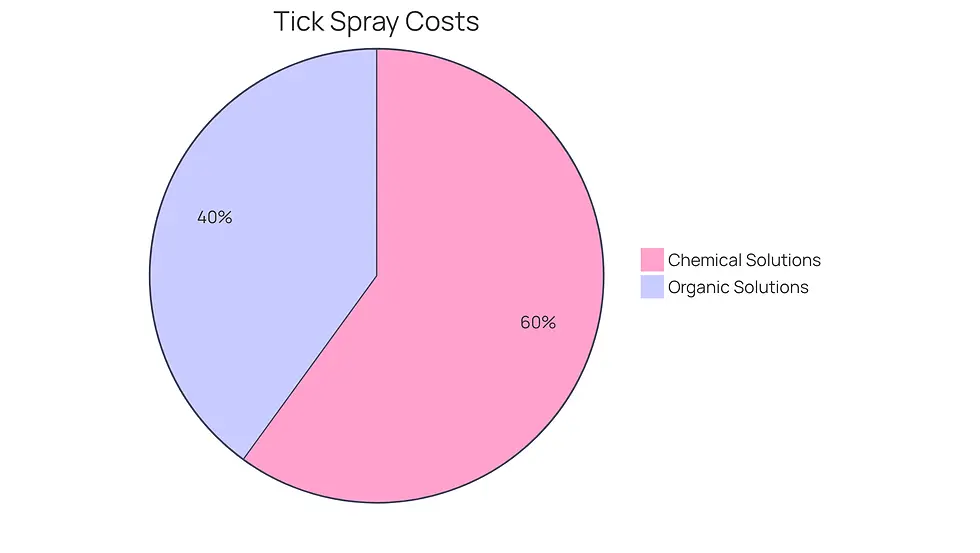
Navigating the world of tick treatments can feel overwhelming, especially when costs and effectiveness vary so greatly. Chemical solutions typically range from $10 to $30 for a standard bottle, while organic alternatives may be priced a bit higher due to their environmentally friendly components. For instance, a 32 oz bottle of AMDRO's Tick Insect Killer sells for around $15, whereas Wondercide's organic solution might cost $25 for a similar volume.
You might think a cheaper chemical solution is a smart choice, but if it requires frequent applications, it could end up costing you more than a higher-priced organic option that lasts longer. It's essential to evaluate both the upfront costs and the long-term value to make an informed decision.
More and more people are choosing products that balance effectiveness with safety, often opting for natural solutions even if they cost a bit more upfront. This shift reflects a growing awareness of the potential health risks associated with chemical pesticides and a desire for sustainable solutions. Additionally, efficient yard management techniques, like maintaining grass height and establishing mulch barriers, can significantly reduce pest populations, enhancing the effectiveness of treatments.
By understanding these dynamics, you can make a choice that safeguards your home and your budget, ensuring peace of mind for you and your family.
Conclusion
Finding the right tick spray can feel overwhelming, especially when your family's safety is at stake. With so many options, how do you know which spray truly protects your family? Chemical solutions like DEET and Permethrin are known for their strong protection, but natural alternatives can offer peace of mind for those concerned about health risks.
Throughout this article, we've explored the performance, safety, and cost of various tick sprays. It's clear that while chemical sprays provide high effectiveness rates, natural sprays appeal to those who prioritize health and environmental concerns. Remember, the way you apply these sprays and manage your yard can significantly enhance your pest control efforts.
By considering your family's unique needs and the specific pest challenges in southern Minnesota, you can find the right solution that fits your lifestyle. Embracing a proactive pest management strategy, including professional services from Spring Touch Lawn & Pest Control, can further ensure a safe and enjoyable outdoor environment. Choosing the right spray not only protects your family but also brings peace of mind, allowing you to enjoy your outdoor space without worry.
Frequently Asked Questions
What are the main types of tick sprays available?
Tick sprays can be broadly categorized into two main types: chemical and natural. Chemical sprays include products like DEET, Picaridin, and Permethrin, while natural sprays often use essential oils such as cedarwood or lemongrass.
How do chemical tick sprays work?
Chemical tick sprays, particularly those containing permethrin, can eliminate ticks upon contact and provide lasting protection by disrupting their nervous systems. For example, permethrin treatments can cover areas up to 5,000 square feet, significantly reducing tick populations.
What are some examples of chemical tick sprays?
Examples of chemical tick sprays include Sawyer Products Permethrin Fabric Treatment, which is designed for application on clothing and gear, providing protection for up to 4-6 weeks.
What are natural tick sprays and how do they differ from chemical ones?
Natural tick sprays use essential oils and are appealing to those who prefer eco-friendly options. For instance, Wondercide offers a plant-based solution that is safe for pets and children. However, natural repellents may need to be reapplied more often and might not be as effective in areas with high tick populations.
How effective are natural tick sprays compared to chemical ones?
While natural tick sprays can be safer for the environment, they often do not provide lasting protection as effectively as chemical sprays. For example, cedar oil mists can deter pests for up to four weeks but may struggle in high-infestation environments.
What should I consider when choosing a tick spray?
When choosing a tick spray, consider your unique needs, the level of insect exposure in your area, and whether you prefer a chemical or natural option. This will help you find the best fit for your lifestyle and ensure you feel secure outdoors.
Are there any specific products that have proven effective in reducing tick populations?
Yes, products like Damminix Tick Tubes, which include permethrin-treated cotton, have been shown to effectively decrease tick populations by targeting those that feed on treated mice. Additionally, cedar oil applications can be effective for low to moderate pest infestations in residential areas.
List of Sources
Types of Tick Sprays: An Overview
Amazon.com: Wondercide - Ready to Use Flea, Tick, and Mosquito Yard Spray with Natural Essential Oils – Mosquito and Insect Killer, Treatment, and Repellent - Plant-Based - Safe Around Pets, Plants, Kids - 32 oz : Patio, Lawn & Garden (https://amazon.com/Wondercide-Essential-Treatment-Repellent-Plant-Based/dp/B01FWRX2NM)
Best Tick Repellent Products for Humans | Tick Control Products (https://globallymealliance.org/about-lyme/prevention/products)
Best Tick Treatment for Your Yard: What Works and Why (https://tomahawk-power.com/blogs/articles/best-tick-treatment-for-your-yard-what-works-and-why?srsltid=AfmBOorySuCWTk-LokHxYQPHh79TvcpLR1SnHnL3qtgklcUgrDdNJhvM)
The Best Tick Repellents of 2026 (https://outdoorlife.com/gear/best-tick-repellents)
What to Know About Natural Tick Repellents (https://webmd.com/skin-problems-and-treatments/what-to-know-natural-tick-repellents)
Effectiveness of Tick Sprays: Performance Analysis
Picaridin vs DEET: Which Is the Best Insect Repellent? | Appalachian Mountain Club (AMC) (https://outdoors.org/resources/amc-outdoors/outdoor-resources/picaridin-vs-deet-which-is-the-best-insect-repellent)
Defend Against Ticks Year-Round: The Top EPA-Approved Tick Repellents You Need to Know (https://outdoor.wildlifeillinois.org/articles/defend-against-ticks-year-round-the-top-epa-approved-tick-repellents-you-need-to-know)
Best Tick and Bug Repellents for 2026 | NJ Urgent Care (https://aplusurgentcarenj.com/best-tick-bug-repellents-2026)
Lemon Eucalyptus Oil Effective as Tick-Repellent Fabric Spray, Study Shows (https://entomologytoday.org/2026/03/18/lemon-eucalyptus-oil-effective-tick-repellent-fabric-spray)
Efficacy of Unregulated Minimum Risk Products to Kill and Repel Ticks - PMC (https://pmc.ncbi.nlm.nih.gov/articles/PMC10756381)
Safety Considerations: Chemical vs. Natural Tick Sprays
How Safe Is Deet? - Consumer Reports (https://consumerreports.org/health/insect-repellent/how-safe-is-deet-insect-repellent-safety-a4952100929)
Using Insect and Tick Repellents Safely (https://extension.psu.edu/using-insect-and-tick-repellents-safely)
The Least Toxic Ways to Protect Yourself from Ticks (https://time.com/6286483/least-toxic-tick-repellents)
What to Know About Natural Tick Repellents (https://webmd.com/skin-problems-and-treatments/what-to-know-natural-tick-repellents)
Application Methods: Ease of Use and Effectiveness
Tick season is here in Minnesota (https://kare11.com/article/news/local/deer-wood-tick-season-is-here-in-minnesota/89-9b8dac4b-e9d4-4677-85e6-eee6290272a9)
Yard Tick Control Options: Sprays, Tubes, and Timing Guide (https://thermacell.com/blog/yard-tick-control-guide)
Ticked Off? Learn How to Prevent Tick Bites and Stay Safe This Summer - League of Minnesota Cities (https://lmc.org/news-publications/publications/city-spot/ticked-off-learn-how-to-prevent-tick-bites-and-stay-safe-this-summer)
Cost Comparison: Value for Money in Tick Sprays
Tickproof Your Yard Without Spraying Pesticides - Consumer Reports (https://consumerreports.org/home-garden/pest-control/tickproof-your-yard-without-spraying-a2432924927)
How Some of CR's Top Insect Repellents Fare Against Ticks - Consumer Reports (https://consumerreports.org/health/insect-repellent/best-insect-repellents-for-ticks-a7939259965)
Best Tick and Bug Repellents for 2026 | NJ Urgent Care (https://aplusurgentcarenj.com/best-tick-bug-repellents-2026)
CDC Study: Pesticide Use Does Not Reduce Risk of Lyme, Other Tick-Borne Disease - Beyond Pesticides Daily News Blog (https://beyondpesticides.org/dailynewsblog/2022/04/cdc-study-pesticide-use-does-not-reduce-risk-of-lyme-other-tick-borne-disease)
Goodbye, Ticks: Consumer Reports Just Ranked The Best Tick Repellents For 2026 - AOL (https://aol.com/articles/goodbye-ticks-consumer-reports-just-183000000.html)