.png)

How to Fix Brown Patches in Lawn: Step-by-Step Solutions
- Spring Touch Team

- 3 days ago
- 8 min read
Updated: 40 minutes ago
Introduction
Brown patches can be a source of stress for homeowners in southern Minnesota, but understanding their causes can lead to effective solutions. Many feel overwhelmed and unsure of how to restore their lawns when faced with these brown patches. Getting to know what causes these brown patches can really help you find the right solutions. By learning about the specific needs of their lawns, homeowners can take proactive steps to rejuvenate their outdoor spaces. With the right knowledge and approach, homeowners can transform their lawns into vibrant green spaces once again.
Identify Brown Patches: Causes and Symptoms
Are you frustrated with the unsightly brown patches in your lawn and wondering how to fix brown patches in lawn that seem to appear out of nowhere? To effectively tackle discolored areas, it’s essential to recognize their causes and signs. Common culprits include:
Fungal Diseases: Brown patch disease, caused by the Rhizoctonia solani fungus, shows up as circular patches of brown grass, often with a smoky ring around the edges. Look for irregular tan spots with dark borders on blade surfaces, especially during hot, humid conditions when temperatures hover between 75 and 85 degrees Fahrenheit. Too much nitrogen can lead to lush grass that’s more prone to fungus, causing those pesky brown patches.
Environmental Stress: Drought, heat stress, or excessive moisture can lead to browning. Pay attention to whether these areas coincide with severe weather, as prolonged moisture can worsen fungal growth. Conditions that promote the disease include high humidity and overuse of nitrogen fertilizers.
Improper Lawn Care: Over-fertilization, particularly with nitrogen, can weaken grass and make it more susceptible to diseases. If you’ve recently used fertilizer, consider whether it was a fast-release type, which can encourage lush growth that’s prone to discoloration. Keeping your nitrogen levels just right is key to preventing those frustrating discolored areas. Spring Touch Lawn & Pest Control offers organic-based fertilizer solutions that not only replenish nutrients but also prevent crabgrass and manage weeds, ensuring your grass remains healthy and vibrant. Plus, our treatments come with a 100% satisfaction guarantee, giving you peace of mind.
Pest Damage: Grubs and other pests can harm roots, leading to brown patches. Check the soil for signs of pest activity, as infestations can mimic drought stress and cause significant turf damage. Applying core aeration before seeding can boost soil health and enhance seed germination, which is crucial for a flourishing yard in southern Minnesota.
When you spot these symptoms, remember that effective yard care strategies can make a real difference. By identifying these issues and employing organic treatments along with proper aeration, you can discover how to fix brown patches in lawn and restore your grass's health. Taking these steps not only restores your lawn's beauty but also gives you the confidence that you can maintain a vibrant outdoor space.

Act Quickly: Initial Steps to Address Brown Patches
Seeing brown patches on your lawn can be disheartening, but learning how to fix brown patches in lawn can make all the difference. Follow these initial steps to restore your lawn's health and vitality:
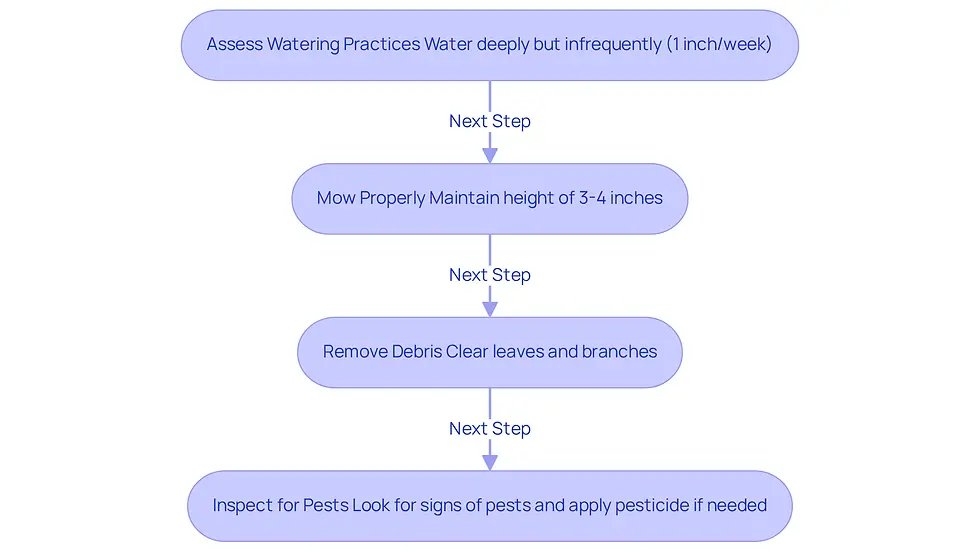
Assess Watering Practices: Ensure your lawn receives adequate water by watering deeply but infrequently, targeting about 1 inch per week, including rainfall. Adjust your watering schedule to early morning, allowing the blades to dry before evening to prevent disease. This simple change can help your grass thrive.
Mow Properly: Keep mower blades sharp and set to the correct height. Cutting the lawn too short can stress it further; maintain a height of 3-4 inches for optimal health. This will not only keep your lawn looking neat but also support its overall well-being.
Remove Debris: Clear any debris, such as leaves or branches, that may block sunlight and airflow. This practice reduces moisture retention and promotes healthy grass growth. A clean lawn is a happy lawn!
Inspect for Pests: Look for signs of pests, such as grubs. If detected, consider applying a targeted pesticide to control the infestation. Addressing these issues promptly can save your lawn from further damage.
By learning how to fix brown patches in lawn, you’re not just addressing a problem; you’re nurturing a vibrant outdoor space that you can be proud of.
Implement Treatments: Effective Solutions for Repairing Brown Patches
Fungal infections can silently damage your lawn, leaving unsightly patches and prompting the need to learn how to fix brown patches in lawn. If you suspect a fungal infection, applying a fungicide specifically formulated for the disease affecting your grass is a crucial first step. Effective options include curative or preventive fungicides like Heritage, Fame SC, and Insignia. These fungicides can effectively help in understanding how to fix brown patches in lawn. Just be sure to follow the manufacturer’s instructions for application rates and timing.
Next, think about aerating your lawn to relieve soil compaction and help your grass thrive. Using a core aerator, which extracts small plugs of soil, can significantly improve your grass's health by encouraging better root development and reducing thatch accumulation, which is vital for minimizing disease severity.
Another helpful practice is top dressing. Applying a thin layer of compost or topsoil over the affected areas not only enhances soil health but also promotes new plant growth, aiding in restoring your lawn's appearance. Maintaining optimal soil conditions, including proper pH levels, is essential for effective lawn care.
For severely damaged areas, consider reseeding with a grass type suited to your region, such as Kentucky-31 tall fescue, known for its greater resistance to discoloration. Ensure the soil is prepared by raking and leveling the area before sowing seeds to promote successful germination.
Lastly, regular fertilization is key to promoting healthy growth. It's essential to steer clear of high-nitrogen fertilizers during the summer months, as they can worsen turf issues. Instead, apply nitrogen at rates of 0.5 lb per 1,000 square feet or less to minimize disease severity. Additionally, proper mowing practices, such as mowing after dew has dried, can help prevent the spread of disease.
By taking these steps on how to fix brown patches in lawn, you can restore your lawn and regain your peace of mind.

Prevent Future Issues: Best Practices for Lawn Care
Brown patches can be frustrating, leaving your lawn looking unhealthy and uninviting. To prevent them from recurring, consider these best practices:
Water Wisely: Water your lawn with about 1 to 1.5 inches each week during summer. This helps roots grow deeper and keeps your turf healthy. Early morning is the best time to irrigate, allowing the blades to dry during the day and significantly reducing the risk of fungal diseases.
Mow at the Right Height: Keep your mower blades set high, ideally at 4 to 6 inches for cool-season turf. Taller grass shades the soil and retains moisture better, which helps prevent stress and disease.
Fertilize Appropriately: Use slow-release organic-based fertilizers, like those from Spring Touch Lawn & Pest Control, to restore nutrients while preventing crabgrass and broadleaf weeds. Be cautious not to over-fertilize, especially with nitrogen, during the summer months. Conduct soil tests to assess nutrient levels and adjust your fertilization strategy accordingly.
Enhance Airflow: Trim excessive shrubs and trees that may block sunlight and airflow to your yard. Improved airflow lowers humidity levels, which can help reduce the risk of ailments like fungus affecting grass. Keep an eye on weather conditions to avoid overwatering during rainy periods.
Regular Maintenance: Consider regular yard care services like aeration and overseeding to keep your green space thriving. Spring Touch's customized organic turf care programs address specific issues, including grub infestations that can lead to discolored areas. You might also want to use resistant turf types, such as Kentucky-31 tall fescue, to combat discoloration effectively. Our skilled team can provide tailored solutions for your outdoor challenges, showcasing our third-generation family-owned legacy in southern Minnesota.
By implementing the right practices, you can discover how to fix brown patches in lawn and enjoy a lush, vibrant landscape.

Conclusion
Many homeowners feel overwhelmed when they see unsightly brown patches ruining their lawn's appearance. Understanding how to fix these patches is crucial for restoring the beauty of your outdoor space. By identifying the causes and implementing effective treatments, you can take control of your lawn's health.
Ignoring these patches can lead to a lawn that not only looks uninviting but also diminishes the overall value of your home. However, you can turn this situation around. Key strategies include:
Assessing your watering practices
Refining your mowing techniques
Ensuring timely pest control
Think about how adjusting your watering habits or mowing techniques can make a real difference in your lawn's health.
Additionally, utilizing organic-based fertilizers and aeration can significantly enhance soil health and promote robust grass growth. Regular maintenance and tailored solutions from Spring Touch Lawn & Pest Control can further ensure that your lawn remains resilient against future challenges.
By taking these steps, you can transform your lawn into a vibrant oasis that reflects your care and dedication. Embrace these best practices and consider reaching out to local experts for personalized assistance, ensuring your lawn remains a source of pride for years to come.
Frequently Asked Questions
What are the common causes of brown patches in lawns?
Common causes of brown patches include fungal diseases, environmental stress, improper lawn care, and pest damage. Fungal diseases like brown patch disease are often seen in hot, humid conditions, while drought or excessive moisture can also lead to browning.
How can I identify fungal diseases in my lawn?
Fungal diseases, such as brown patch disease caused by the Rhizoctonia solani fungus, appear as circular patches of brown grass with a smoky ring around the edges. Look for irregular tan spots with dark borders on the grass blades, especially during hot and humid weather.
What role does nitrogen play in the development of brown patches?
Excessive nitrogen can lead to lush grass that is more susceptible to fungal diseases, resulting in brown patches. It's important to maintain balanced nitrogen levels to prevent these issues.
How does environmental stress contribute to brown patches?
Environmental stress from drought, heat, or excessive moisture can cause browning in lawns. Prolonged moisture can worsen fungal growth, particularly in high humidity conditions.
What lawn care practices can lead to brown patches?
Over-fertilization, especially with nitrogen, can weaken grass and make it more vulnerable to diseases. Using fast-release fertilizers can encourage lush growth that is prone to discoloration.
How can pests affect my lawn and cause brown patches?
Pests like grubs can damage the roots of grass, leading to brown patches. Checking the soil for signs of pest activity is important, as infestations can mimic drought stress and cause significant damage.
What solutions does Spring Touch Lawn & Pest Control offer for brown patches?
Spring Touch Lawn & Pest Control offers organic-based fertilizer solutions that replenish nutrients, prevent crabgrass, and manage weeds. They also provide a 100% satisfaction guarantee on their treatments.
What steps can I take to restore my lawn's health?
To restore your lawn's health, identify the causes of brown patches and employ organic treatments along with proper aeration. Core aeration before seeding can boost soil health and enhance seed germination, crucial for a flourishing yard in southern Minnesota.
List of Sources
Identify Brown Patches: Causes and Symptoms
What happened to my lawn? Brown Patches – Common causes and what to do about them. - Portland Landscaping Company (https://landscapeeast.com/blog/what-happened-to-my-lawn-brown-patches-common-causes-and-what-to-do-about-them-2020-09)
Brown Patch & Large Patch Diseases of Lawns (https://hgic.clemson.edu/factsheet/brown-patch-large-patch-diseases-of-lawns)
Your brown lawn may need more water, but maybe not (https://kslnewsradio.com/utah/brown-lawn-utah/2311049)
Brown Patch Lawn Disease: Identify, Control & Repair | Davey Tree (https://davey.com/insect-disease-resource-center/brown-patch-disease)
Too much moisture can bring brown patch disease to lawns | CAES Field Report (https://fieldreport.caes.uga.edu/news/too-much-moisture-can-bring-brown-patch-disease-to-lawns)
Act Quickly: Initial Steps to Address Brown Patches
Mowing practices for healthy lawns (https://extension.umn.edu/lawns-and-landscapes-minnesota/mowing-practices-healthy-lawns)
Your Lawn Is Using 60% of Your Water—Here’s How to Fix It (https://provo.gov/m/newsflash/Home/Detail/294)
How will watering 2 days per week affect your lawn? (https://denverwater.org/tap/how-will-watering-2-days-week-affect-your-lawn)
Weekly Lawn Watering Guide – Conserve Water Utah (https://conservewater.utah.gov/weekly-lawn-watering-guide)
Implement Treatments: Effective Solutions for Repairing Brown Patches
How to Actually Control and Prevent Brown Patch Disease (https://heritageppg.com/blogs/pest-control-blog/how-to-actually-control-and-prevent-brown-patch-disease?srsltid=AfmBOoqskpJPR1M01YAN_RpI5aL4bT-N3cTwGyTzQ790s-S9bycbPpV7)
Brown Patch & Large Patch Diseases of Lawns (https://hgic.clemson.edu/factsheet/brown-patch-large-patch-diseases-of-lawns)
Brown Patch in Turf | NC State Extension Publications (https://content.ces.ncsu.edu/brown-patch-in-turf)
Prevent Future Issues: Best Practices for Lawn Care
Master Your Lawn Care Schedule in Minnesota: Best Practices for Homeowners (https://springtouchlawn.com/post/master-your-lawn-care-schedule-in-minnesota-best-practices-for-homeowners)
How To Stop Brown Patches Before They Take Over Your Lawn (https://shopping.yahoo.com/home-garden/gardening/articles/stop-brown-patches-over-lawn-142500201.html)
6 Simple Ways to Prevent Brown Spots in Your Lawn This Summer (https://realsimple.com/tips-to-stop-your-lawn-from-turning-brown-11975952)
US Lawn Care Consumer Insights Report - The Freedonia Group (https://freedoniagroup.com/industry-study/lawn-care-consumer-insights)


