.png)

Master Overseeding: Discover the Best Time for Your Lawn's Success
- Spring Touch Team

- 2 days ago
- 9 min read
Updated: 1 day ago
Introduction
Homeowners in southern Minnesota often find themselves disheartened by the sight of patchy lawns, struggling to maintain a healthy outdoor space. Overseeding offers a powerful solution to rejuvenate tired grass and enhance overall lawn health. In this guide, we’ll explore the best times and techniques for overseeding, helping you rejuvenate your lawn. By understanding the key factors for successful overseeding, homeowners can confidently navigate Minnesota's climate and cultivate a thriving lawn that enhances their outdoor experience.
Understand Overseeding: Definition and Benefits
Are you tired of looking at a patchy, lifeless lawn that fails to impress? Overseeding is simply spreading seeds over your existing lawn without disturbing the soil or the grass you already have. It’s a great way to breathe new life into tired, worn-out patches of grass and improve the overall health of your turf.
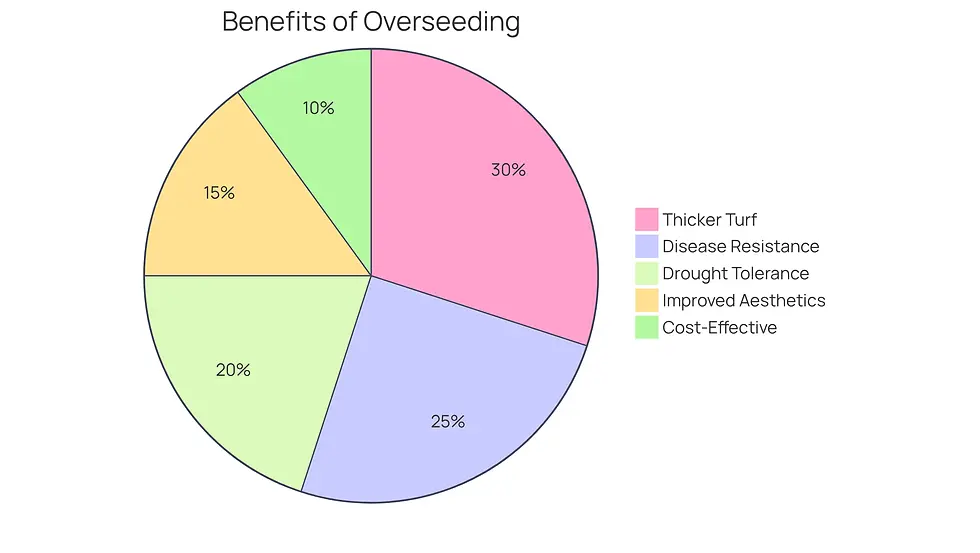
Benefits of Overseeding:
Thicker Turf: Overseeding significantly enhances the density of your lawn, helping to crowd out weeds and improve its appearance. Research shows that sowing additional seeds can lead to a 40% increase in grass density, resulting in a more even and vibrant yard.
Disease Resistance: A denser lawn is naturally more resilient to diseases and pests, which means you’ll rely less on chemical treatments. Many homeowners report quicker recovery from pest invasions and illnesses after reseeding, leading to less damage during infestations.
Drought Tolerance: By enhancing the root system, overseeding improves your grass's ability to retain moisture, making it more resistant to dry conditions. This is especially important in areas where conserving water is crucial.
Improved Aesthetics: A lush, green yard not only boosts your home’s curb appeal but also supports a healthier ecosystem. Homeowners often notice significant improvements in their yard's appearance after overseeding, creating a vibrant landscape that enhances property value.
Cost-Effective: Overseeding is a more budget-friendly option compared to completely re-sodding your yard, providing a quick fix for sparse or damaged areas. It’s estimated that reseeding costs 4-5 times less than a full yard replacement, making it a smart choice for homeowners looking to enhance their outdoor spaces.
Integrating overseeding into your lawn care routine can lead to lasting benefits, such as improved soil quality and reduced reliance on chemical solutions. With the right approach and care, you can transform your yard into a thriving, resilient landscape that you can be proud of.
Identify the Best Timing for Overseeding Based on Grass Type
Are you worried about your lawn's health as the seasons change? In Minnesota, where cool-season grasses thrive, understanding the best time for overseeding can significantly impact your lawn's health. The ideal period for replanting these grasses is late summer to early fall, specifically from late August to mid-September. During this time, the soil remains warm, encouraging germination, while cooler air temperatures help reduce stress on new plants. September 15 is your last chance to plant seeds, especially in the Twin Cities area.
If you miss the fall window, don’t worry! You can also overseed in spring, from March to mid-June. Just make sure the soil temperatures are consistently above 50°F for optimal germination. Early spring is a good option, but be mindful that weed competition tends to be higher during this time.
It's best to avoid overseeding too late in the fall, as the best time for overseeding is before cold temperatures and frost can hinder germination. Remember, keeping an eye on soil temperatures between 50°F and 70°F can lead to the best results for your lawn. Also, ensure adequate soil preparation by eliminating thatch and debris, and consider fertilization timing to encourage healthy turf growth after reseeding. This way, your new vegetation has the best chance to thrive and establish before winter dormancy.
As you prepare for overseeding, it’s also important to be aware of common turf diseases that could threaten your grass. In Minnesota, conditions can lead to issues like Red Thread, Dollar Spot, and Brown Patch. Recognizing these diseases early can help you take preventive actions, such as using the right fertilizers and fungicides, to keep your grass healthy and vibrant. Spring Touch Lawn & Pest Control offers expert guidance and treatments tailored to combat these issues, ensuring your lawn is in top shape for the growing season. With the right timing and care, your lawn can flourish, bringing you peace of mind and a beautiful outdoor space to enjoy.

Prepare Your Lawn: Essential Steps Before Overseeding
Are you worried that your lawn might not thrive after overseeding? Proper preparation is key to ensuring your lawn flourishes. Here are some essential steps to guide you through the process:
Start by mowing your lawn short, around 1.5 to 2 inches. This simple step reduces competition for sunlight and helps new seeds reach the soil more easily.
Next, take a moment to remove any debris like leaves and sticks. This ensures that your seeds can make direct contact with the soil, giving them the best chance to grow.
Consider aerating your soil with a core aerator. This creates holes that improve seed-to-soil contact and allow water and nutrients to penetrate deeper, nurturing your new grass.
It’s wise to conduct a soil test to check pH and nutrient levels. By amending the soil as needed, you create an optimal environment for your new grass to thrive.
Finally, lightly water your grass a day or two before the best time for overseeding. This ensures the soil is moist, providing a welcoming environment for your new seeds.
By following these steps, you can ensure your lawn receives the care it needs to flourish, giving you the lush green space you desire.

Execute Overseeding: Techniques for Effective Seed Application
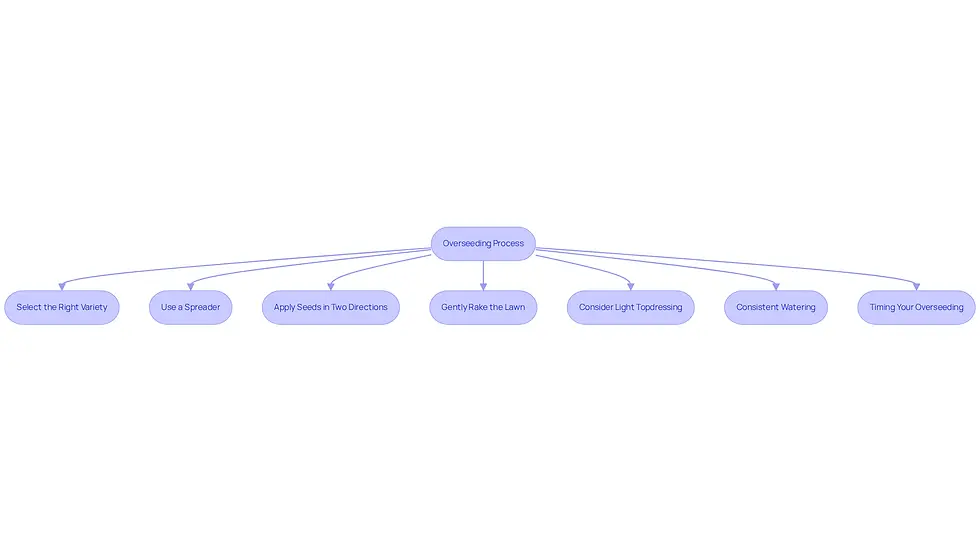
Are you struggling to achieve a lush, healthy lawn in Minnesota? Once your yard is prepared, overseeding can be a game-changer. Here are some supportive techniques to ensure effective seed application:
Selecting the right variety can feel overwhelming, but it’s essential for your lawn’s success. Choose a grass variety that matches your current turf type and thrives in Minnesota's climate. High-quality options like Black Beauty® Ultra Grass Seed are great choices due to their drought resistance, heat tolerance, and deep root systems that can reach up to four feet.
Using a spreader can make the process easier and ensure even coverage, giving you peace of mind as you care for your lawn. Utilize a broadcast or drop spreader to evenly distribute the seeds across your lawn, following the suggested planting rate on the package for optimal coverage.
To help your seeds thrive, applying them in two directions can enhance their chances of success. Spread the seeds in two perpendicular directions (e.g., north-south and east-west) to achieve uniform distribution and improve germination rates.
Gently raking the lawn after planting ensures your seeds make good contact with the soil, which is crucial for their growth. This step allows the seeds to settle into the soil without burying them too deep, promoting effective germination.
Consider a light topdressing to help your seeds retain moisture and protect them from birds, giving them the best chance to grow strong. A thin layer of compost or topsoil can enhance plant establishment and improve overall lawn health.
Consistent watering is vital during this period, as it nurtures your seeds and helps them establish themselves in your lawn. Keep the soil moist until germination, using twice the normal amount of water compared to established turf.
Timing your overseeding can make all the difference; late August to mid-September is the best time for overseeding, offering the best conditions for your seeds to thrive. Avoid excessive sowing during drought or extreme heat conditions to prevent stress on the seeds.
By taking these steps, you can cultivate a thriving lawn that not only enhances your home's beauty but also provides a peaceful retreat for you and your family.
Care for Your Lawn After Overseeding: Maintenance Tips
Many homeowners struggle with ensuring their new grass takes root and flourishes. After overseeding, it is essential to provide proper care at the best time for overseeding to ensure the new vegetation thrives. Here are key maintenance tips to ensure success:
Water Regularly: For the first two weeks, maintain consistent moisture in the soil. Water lightly 2-4 times a day, ensuring the top inch of soil remains damp. Regular watering is crucial for seed germination, which typically happens within 7 to 21 days for cool-season plants. Avoid watering in the evening to prevent fungal infections.
Check Sprinkler Systems: Before planting new turf, ensure your sprinkler system is functioning properly. Adjust sprinkler heads and check for clogs to ensure uniform water distribution throughout the yard.
Avoid Heavy Foot Traffic: The best time for overseeding is to limit foot traffic on newly overseeded areas for about 2-3 weeks to prevent damage to young seedlings, which are particularly vulnerable during this establishment phase.
Fertilize wisely by waiting around 4-6 weeks after the best time for overseeding before applying a starter fertilizer intended for new turf. Consider using Spring Touch Lawn & Pest Control's organic-based fertilizer with bio-solids, which not only restores nutrients but also helps prevent crabgrass from overtaking your lawn this summer.
Mow Carefully: Once the new turf reaches about 3-4 inches in height, mow it to encourage lateral growth. Set your mower to its highest setting to avoid scalping the young grass, which can hinder its development.
Monitor for Weeds: Keep an eye out for weeds, as they can compete for resources. Early intervention is key to maintaining a healthy yard. Spring Touch Lawn & Pest Control's second application targets dandelions and broadleaf weeds, ensuring your lawn remains healthy and vibrant.
Proper preparation before the best time for overseeding is essential to ensure good seed-to-soil contact. Ensure good seed-to-soil contact and maintain continuous soil moisture to promote successful germination.
Be Aware of Germination Issues: Grass seed germination can be affected by extreme temperatures, poor seed quality, or inadequate water. Addressing these factors can enhance your yard care success.
With the right care, your lawn can become a vibrant oasis, enhancing your outdoor space and providing joy for years to come.

Conclusion
Are you tired of looking at a dull, lifeless lawn that fails to impress? Overseeding can breathe new life into your outdoor space, making it lush and inviting. By knowing when and how to prepare your lawn, you can ensure that it thrives in southern Minnesota's unique climate. Late summer to early fall is the prime time for overseeding cool-season grasses, and proper preparation - like mowing, aerating, and soil testing - sets the stage for successful seed germination.
Using a spreader for even seed distribution and maintaining consistent moisture after overseeding are crucial steps for nurturing new growth. Ongoing care, including careful watering and monitoring for weeds, will help your newly overseeded lawn flourish.
When you overseed, you’re not just improving your lawn’s appearance; you’re creating a healthier environment for your family to enjoy. By implementing these best practices, you can transform your outdoor space into a thriving oasis that enhances your property value and provides a beautiful retreat for family and friends. Imagine stepping into a vibrant, green oasis that not only elevates your home but also brings joy to your family and friends.
Frequently Asked Questions
What is overseeding and how does it benefit my lawn?
Overseeding is the process of spreading seeds over your existing lawn without disturbing the soil or existing grass. It enhances lawn density, improves disease resistance, increases drought tolerance, boosts aesthetics, and is a cost-effective solution compared to re-sodding.
How much can overseeding increase grass density?
Research indicates that overseeding can lead to a 40% increase in grass density, resulting in a more even and vibrant lawn.
When is the best time to overseed in Minnesota?
The ideal time for overseeding cool-season grasses in Minnesota is from late August to mid-September. If you miss this window, overseeding can also be done in spring, from March to mid-June, as long as soil temperatures are consistently above 50°F.
What should I consider when overseeding in spring?
When overseeding in spring, be aware that weed competition is typically higher. It's important to ensure soil temperatures are above 50°F for optimal germination.
What are the risks of overseeding too late in the fall?
Overseeding too late in the fall can hinder germination due to cold temperatures and frost, which can negatively affect the establishment of new grass.
How can I prepare my lawn for overseeding?
To prepare for overseeding, eliminate thatch and debris from the lawn and consider fertilization timing to encourage healthy growth after reseeding.
What common turf diseases should I be aware of in Minnesota?
Common turf diseases in Minnesota include Red Thread, Dollar Spot, and Brown Patch. Recognizing these diseases early can help you take preventive actions to maintain a healthy lawn.
How can Spring Touch Lawn & Pest Control assist with overseeding and lawn care?
Spring Touch Lawn & Pest Control offers expert guidance and treatments tailored to combat turf diseases and ensure your lawn is healthy and vibrant, especially during the growing season.
List of Sources
Understand Overseeding: Definition and Benefits
What Is Overseeding and How It Helps Your Lawn (https://senske.com/blog/what-is-overseeding-and-how-it-helps-your-lawn)
Is Overseeding Your Lawn Every Year Worth It? What to Know Before You Start - AOL (https://aol.com/articles/overseeding-lawn-every-worth-know-161600005.html)
10 Benefits of Overseeding (https://lawnlove.com/blog/benefits-of-overseeding)
Revive Your Lawn With Grass Overseeder Benefits - Rentalex (https://rentalex.com/revive-your-lawn-with-grass-overseeder-benefits)
10 Benefits of Overseeding Services for a Thriving Lawn (https://springtouchlawn.com/post/10-benefits-of-overseeding-services-for-a-thriving-lawn)
Identify the Best Timing for Overseeding Based on Grass Type
How To Overseed Your Lawn | Southview Design (https://southviewdesign.com/how-to/how-to-overseed-your-lawn)
When to Overseed Lawn in Minnesota | Jonathan Green (https://jonathangreen.com/resources/when-overseed-lawn-minnesota)
Overseeding Guide for Lawn Pros in Minnesota - Central Pro Supply (https://centralpros.com/over-seeding-guide-for-lawn-pros-in-minnesota)
4 Best Fertilizers for Fall Overseeding: A Homeowner's Guide (https://springtouchlawn.com/post/4-best-fertilizers-for-fall-overseeding-a-homeowners-guide)
When is the Best Time to Overseed a Lawn? (https://lawnlove.com/blog/when-to-overseed-lawn)
Execute Overseeding: Techniques for Effective Seed Application
Overseeding Guide for Lawn Pros in Minnesota - Central Pro Supply (https://centralpros.com/over-seeding-guide-for-lawn-pros-in-minnesota)
How to Overseed Your Lawn - Mahoney's Garden Center (https://mahoneysgarden.com/overseeding-the-lawn)
Preparing Lawn for Overseeding: The Complete Homeowner’s Guide | TruGreen (https://trugreen.com/lawn-care-101/blog/lawn-care-tips/steps-prepare-your-lawn-overseeding-and-how-care-it-after)
When to Overseed Lawn in Minnesota | Jonathan Green (https://jonathangreen.com/resources/when-overseed-lawn-minnesota)
Care for Your Lawn After Overseeding: Maintenance Tips
Master Watering After Overseeding for a Thriving Lawn (https://springtouchlawn.com/post/master-watering-after-overseeding-for-a-thriving-lawn)
How Often to Water Grass Seed (https://lawnlove.com/blog/how-often-water-grass-seed)
How to Care for New Grass Seedlings After Aeration and Overseeding - Natural Tree (https://naturaltree.com/2025/09/24/how-to-care-for-new-grass-seedlings-after-aeration-and-overseeding)
Preparing Lawn for Overseeding: The Complete Homeowner’s Guide | TruGreen (https://trugreen.com/lawn-care-101/blog/lawn-care-tips/steps-prepare-your-lawn-overseeding-and-how-care-it-after)
Aftercare Instructions for Your Newly Overseeded Lawn | Delaware Valley Turf (https://delawarevalleyturf.com/blog/aftercare-instructions-for-your-newly-overseeded-lawn)