.png)

Master Summer Lawn Care: 4 Essential Best Practices for Homeowners
- Spring Touch Team

- May 2
- 6 min read
Updated: 25 minutes ago
Introduction
Many homeowners dream of a lush, green lawn, but the journey to achieving that can feel overwhelming. By learning a few essential practices, you can nurture your yard into a vibrant sanctuary that you can enjoy all summer long.
Many homeowners struggle to keep their lawns healthy due to unpredictable weather and persistent weeds. Without proper care, lawns can quickly become patchy and uninviting, diminishing the joy of outdoor spaces.
But with the right knowledge and practices, you can turn your lawn into a thriving oasis that brings joy and relaxation all summer long.
Assess Soil Conditions for Optimal Lawn Health
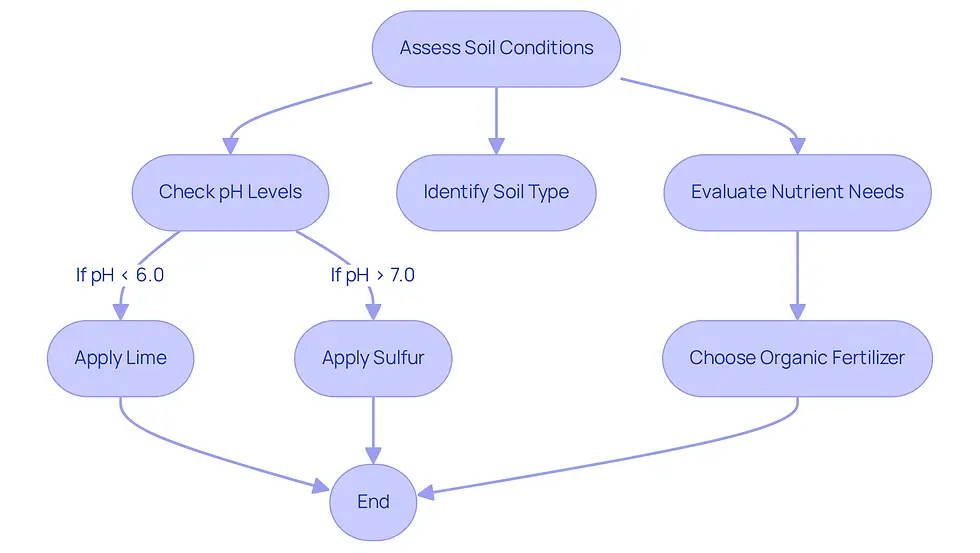
Imagine stepping into your yard and seeing a lush, vibrant lawn; it all starts with understanding your soil. To cultivate a thriving lawn, it’s essential to evaluate your ground conditions thoroughly. Understanding your soil’s pH, nutrients, and texture is the first step to nurturing a healthy lawn, ensuring you’re equipped to address any deficiencies. Ideally, a pH range of 6.0 to 7.0 supports optimal growth for most grasses. If your ground is too acidic, applying lime can effectively raise the pH, while sulfur can reduce it if the terrain is too alkaline. Knowing your soil type - whether sandy, clay, or loamy - will also guide your irrigation and aeration practices. For instance, sandy soils drain quickly and may need more frequent watering, whereas clay soils retain moisture and require less frequent irrigation.
This spring, nurturing your garden can be as simple as choosing an organic fertilizer that enriches your soil and protects against crabgrass. This treatment not only replenishes nutrients but also stops crabgrass from dominating your yard during the summer months. Furthermore, the second application focuses on dandelions and broadleaf weeds while incorporating grub control, ensuring thorough care for your yard. Regularly checking your soil every few years helps ensure your yard remains a thriving, healthy space for you and your loved ones. Case studies have shown that appropriate ground management greatly improves turf growth and resilience. By prioritizing soil health, you’re not just nurturing grass; you’re creating a sanctuary for your family to enjoy.
Implement Proper Mowing and Watering Techniques
Are you worried about keeping your yard healthy in Minnesota's challenging climate? Mowing and watering are essential components of summer lawn care, especially where fungal diseases can flourish. When mowing, set your mower blades to a height of 3 to 4 inches for the best results. Taller grass not only shades the soil, reducing moisture loss, but also promotes deeper root development, which is crucial for preventing diseases like Dollar Spot and Brown Patch. Try not to cut more than one-third of the grass height at once; doing so can stress your lawn and lead to yellowing, which makes it more susceptible to diseases.
In terms of irrigation, your grass needs about 1 to 2 inches of moisture each week, whether from rain or watering. Early morning is the best time to water; as Garrett Anderson states, "The best time to water is ALWAYS in the early morning, from 2-10am," to minimize evaporation and reduce the risk of fungal diseases. Deep, infrequent watering encourages roots to grow deeper, enhancing drought resistance and helping to prevent issues like Summer Patch. Watering should be split 2-4 times throughout the week for best results. A rain gauge can help you keep track of how much water your grass is getting, so you can adjust your watering schedule for the best health possible. By following these simple practices of summer lawn care, you can ensure your yard thrives, even in the face of potential challenges.

Control Weeds and Pests to Protect Your Lawn
Managing weeds and pests can feel overwhelming, especially when they threaten the beauty of your yard. Start by identifying common weeds in your area, like dandelions and crabgrass. Imagine stepping into your yard this summer, only to find it overrun by stubborn weeds, which emphasizes the need for effective summer lawn care. To prevent this, consider using a pre-emergent herbicide early in spring to stop those pesky weed seeds from taking root.
Spring Touch offers an organic-based fertilizer that not only replenishes nutrients but also effectively prevents crabgrass from dominating your yard. For existing weeds, hand-pulling or spot-treating with a targeted herbicide can be effective. Additionally, Spring Touch's second product focuses on dandelions and broadleaf weeds while incorporating grub control to address infestations, ensuring a healthier turf.
Keep an eye on your yard for signs of trouble, like brown patches or an unusual number of insects. These can be early warnings of pest infestations that need your attention. Integrated Pest Management (IPM) strategies, which include cultural practices like proper mowing and watering, can help reduce pest populations naturally. If necessary, use environmentally friendly pesticides that target specific pests without harming beneficial insects.
By taking proactive steps in your summer lawn care, you can ensure your yard remains a vibrant and inviting space for you and your family.

Enhance Lawn Vitality with Fertilization and Aeration
Have you ever looked at your lawn and felt disheartened by its lack of vibrancy? To enhance your lawn's vitality, regular fertilization and aeration are essential practices. In early summer, a slow-release fertilizer can provide your lawn with essential nutrients without overwhelming it. Look for fertilizers with a balanced N-P-K ratio, like 25-5-10, tailored to your soil test results.
Aeration, which involves perforating the ground to allow air, water, and nutrients to reach the roots, should be done at least once a year, ideally in the fall or spring when the grass is actively growing. This practice alleviates soil compaction, especially important in Minnesota's clay soils, and promotes healthier root systems, enhancing seed germination. Using a core aerator that extracts plugs of soil can significantly improve the efficiency of this process.
After aeration, overseeding can help fill in bare spots and boost turf density. It's crucial to remember that applying fertilizer to dry soil and delaying watering for over five days can waste 20 to 30 percent of nitrogen. By implementing summer lawn care practices, you can enjoy a lush and resilient yard all summer long, bringing peace of mind and joy to your outdoor space.
Take a moment to really look at your lawn; you'll be amazed at how much it can tell you about its health. In Minnesota, lawn fertilization costs range from $78 to $182 per application for a typical 5,000 square foot lawn in 2026, so planning your lawn care budget is essential. With the right care, your lawn can become a source of pride and tranquility, transforming your outdoor space into a personal oasis.

Conclusion
Many homeowners feel overwhelmed by the complexities of maintaining a beautiful lawn during the summer months. By assessing soil conditions, mowing and watering correctly, managing weeds and pests, and fertilizing and aerating, homeowners can cultivate a lush lawn that thrives even in tough climates.
Key insights from this guide highlight the importance of soil health as the foundation for a thriving lawn:
Regular soil testing helps identify pH levels and nutrient deficiencies.
Proper mowing and watering techniques foster deeper root growth and disease resistance.
Effective weed and pest management ensures that the beauty of your lawn is preserved, allowing you to enjoy a picturesque landscape all summer long.
Neglecting these practices can lead to a lackluster lawn that fails to thrive, diminishing the joy of outdoor living. By nurturing your lawn this summer, you’re not just enhancing your home’s beauty; you’re creating a serene retreat that brings joy to your life and those around you.
Frequently Asked Questions
Why is it important to assess soil conditions for lawn health?
Assessing soil conditions is essential for cultivating a thriving lawn, as it helps understand the soil's pH, nutrients, and texture, allowing you to address any deficiencies effectively.
What is the ideal pH range for most grasses?
The ideal pH range for most grasses is between 6.0 and 7.0.
How can I adjust the pH of my soil if it is too acidic or too alkaline?
If your soil is too acidic, you can apply lime to raise the pH. Conversely, if the soil is too alkaline, applying sulfur can help reduce the pH.
How does soil type affect lawn care practices?
Knowing your soil type-whether sandy, clay, or loamy-guides your irrigation and aeration practices. Sandy soils drain quickly and may need more frequent watering, while clay soils retain moisture and require less frequent irrigation.
What type of fertilizer should I use for my lawn?
Choosing an organic fertilizer can enrich your soil and protect against crabgrass, replenishing nutrients and preventing crabgrass from dominating your yard during the summer.
What additional treatments should I consider for lawn care?
A second application can focus on controlling dandelions and broadleaf weeds while incorporating grub control for thorough yard care.
How often should I check my soil?
Regularly checking your soil every few years helps ensure your yard remains a thriving, healthy space.
What benefits does proper ground management provide?
Appropriate ground management greatly improves turf growth and resilience, creating a sanctuary for your family to enjoy.
List of Sources
Assess Soil Conditions for Optimal Lawn Health
brownfieldagnews.com (https://brownfieldagnews.com/news/fall-soil-tests-are-key-to-optimize-fertility-in-2026)
pjcorganic.com (https://pjcorganic.com/2025/12/21/a-year-of-organic-turf-care-growth)
Soil Health Data - MN Soil Health Coalition (https://mnsoilhealth.org/soilhealthdata)
fieldreport.caes.uga.edu (https://fieldreport.caes.uga.edu/publications/C1058-1/turfgrass-fertility-soil-texture-organic-matter-aeration-and-ph)
Lawn Care 2026: The Top Techniques to Enhance Your Outdoor Space (https://baumannlawn.com/article/lawn-care-2026-the-top-techniques-to-enhance-your-outdoor-space)
Implement Proper Mowing and Watering Techniques
wsls.com (https://wsls.com/news/2026/04/23/consumer-reports-expert-tips-for-a-picture-perfect-lawn)
trugreen.com (https://trugreen.com/lawn-care-101/blog/lawn-care-tips/mowing-heights-season-and-grass-type)
Are You Watering Correctly? (https://fertilawnmn.com/are-you-watering-correctly)
thespruce.com (https://thespruce.com/how-high-should-grass-be-cut-2132358)
Control Weeds and Pests to Protect Your Lawn
Master Summer Lawn Weed Control: Key Practices for Homeowners (https://springtouchlawn.com/post/master-summer-lawn-weed-control-key-practices-for-homeowners)
whatgrassisthis.com (https://whatgrassisthis.com/blog/dealing-summer-lawn-pests-effective-strategies)
Weed management updates for the 2026 growing season (https://blog-crop-news.extension.umn.edu/2026/04/weed-management-updates-for-2026.html)
extension.sdstate.edu (https://extension.sdstate.edu/now-time-plan-noxious-weed-control-2026)
Best Lawn Care Service & Pest Control: 2026 Myths vs. Facts Compared (https://spring-green.com/learn/blogs/best-lawn-care-service-pest-control)
Enhance Lawn Vitality with Fertilization and Aeration
grow.ifa.coop (https://grow.ifa.coop/lawn-care/understanding-fertilizer-numbers)
dnr.state.mn.us (https://dnr.state.mn.us/rys/sl/lawncare.html)
coloradoan.com (https://coloradoan.com/story/news/local/2026/03/28/lawn-care-tips-for-a-healthy-yard-during-colorado-drought/89319104007)
lawnbyseason.com (https://lawnbyseason.com/lawn-fertilization-cost/minnesota)
whatgrassisthis.com (https://whatgrassisthis.com/blog/best-practices-summer-lawn-fertilization-bloom)


