.png)

What Does Overseeding Do? Essential Steps for a Thriving Lawn
- Spring Touch Team

- 7 days ago
- 10 min read
Updated: 13 hours ago
Introduction
Many homeowners struggle to keep their lawns healthy and vibrant, often feeling overwhelmed by the task of lawn care. Overseeding emerges as a powerful solution, offering homeowners in southern Minnesota a way to rejuvenate their lawns by introducing new grass varieties that enhance health and appearance. Over time, overseeding can breathe new life into your lawn, making it not just beautiful but resilient against challenges. In this article, we’ll explore the essential steps and benefits of overseeding, showing you how this technique can beautify your outdoor space while making it stronger against pests and environmental stresses.
Define Overseeding: Understanding the Basics
Are you tired of looking at those bare patches in your yard? If you're wondering what does overseeding do, it might be the solution you've been searching for. This technique raises the question of what does overseeding do, as it brings in new grass varieties that can really boost your yard's health and appearance. Homeowners can effectively fill in those bare spots, enhance color, and increase turf density by sowing additional seeds, leading to the question of what does overseeding do. This not only makes your lawn look better but also strengthens its resilience against pests and diseases. If you're looking to refresh your lawn, this approach is especially helpful because it avoids the heavy lifting of total re-sodding or major ground prep.
In southern Minnesota, understanding what does overseeding do is particularly advantageous due to the area's unique climate and ground conditions. For instance, studies suggest that the best times to sow cool-season grasses are early spring and late summer, aligning with the ideal soil temperatures for seed germination. Homeowners often notice significant improvements in grass health within just a few weeks after reseeding, with visible enhancements in turf density and color appearing in as little as 2 to 4 weeks.
Local homeowners have shared their success stories regarding what does overseeding do. One homeowner transformed a neglected yard with patches of dead grass by sowing turf-type tall fescue, resulting in a vibrant landscape that can better withstand drought conditions. Another case highlighted what does overseeding do by significantly reducing weed growth through the creation of a thicker turf that competes for resources, leading to a healthier grass ecosystem with less reliance on chemical herbicides.
In the end, overseeding not only makes your lawn look great but also helps the environment by improving soil quality and cutting down on chemical use. By choosing to overseed, you're not just enhancing your lawn; you're investing in a healthier, more sustainable environment for your home.

Explore Benefits: Why Overseeding Matters for Your Lawn
Many homeowners struggle with maintaining a lush, green lawn, often facing issues like thinning grass and unsightly bare patches. To understand what overseeding does, it's important to note that it offers a simple yet effective solution to these challenges, ensuring a lush and vibrant lawn.
One of the key benefits of overseeding is that it promotes thicker grass growth. By introducing new seeds, you can effectively crowd out weeds and minimize those bare patches that can be so frustrating. This leads to a more resilient landscape that can endure various environmental stresses.
Additionally, fresh seeds can introduce vibrant plant varieties, enhancing the overall color and visual appeal of your yard. This is especially important in southern Minnesota, where seasonal changes can impact grass vitality.
A thicker lawn is also better equipped to resist diseases and pests. By increasing turf density, overseeding contributes to a healthier outdoor environment, which raises the question of what overseeding does in terms of reducing the likelihood of infestations and disease outbreaks.
Moreover, new grass varieties often possess improved drought resistance, which is crucial for surviving dry spells common in Minnesota. This resilience helps sustain grass health even during challenging weather conditions.
Overseeding can also improve ground structure and health by introducing organic matter and promoting microbial activity. This enhancement in soil quality supports the overall vitality and growth of your grass.
You might be surprised to learn what overseeding does, as it can really boost your grass thickness, with studies showing it can increase turf density by up to 30% in just one growing season. Experts emphasize that reseeding not only revitalizes damaged grass areas but also fills in empty patches created by foot traffic, pests, or illness, ensuring a consistent look.
Homeowners often ask what overseeding does to enhance the resilience of their grass against extreme weather conditions, such as drought or heavy rains. By following optimal methods for reseeding, including appropriate timing and seed choice, you can achieve a flourishing yard that requires less upkeep and remains attractive throughout the year.
By embracing overseeding, you can transform your lawn into a thriving oasis that not only enhances your home's beauty but also provides a sanctuary for relaxation and enjoyment.

Determine Timing: When to Overseed for Best Results
Choosing the right time to overseed your lawn can feel overwhelming, especially when you think about what overseeding does and the many factors to consider.
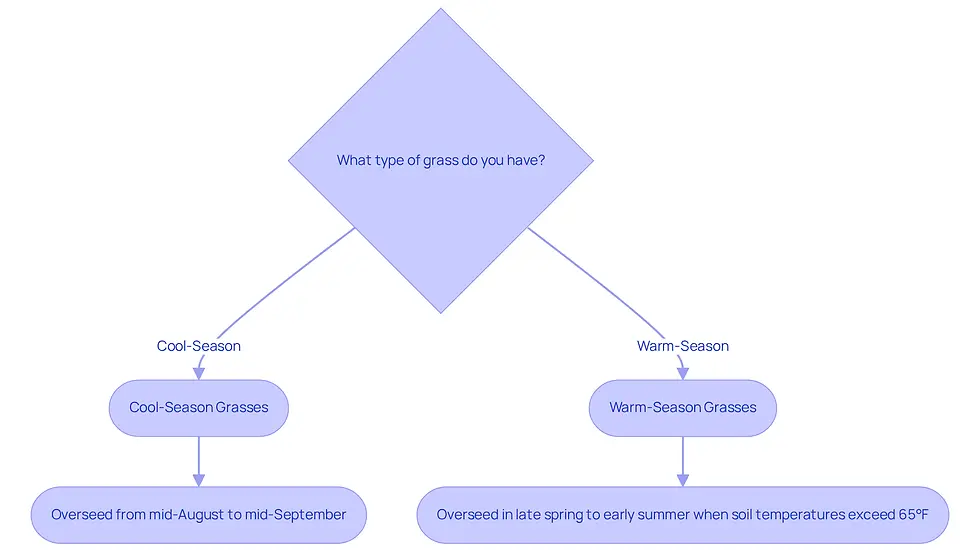
For cool-season grasses, the best time to overseed in Minnesota is from mid-August to mid-September. During this period, the warm ground temperatures help seeds sprout, while the cooler air reduces stress from summer heat, giving your lawn the best chance to thrive. Research indicates that what overseeding does in autumn is lead to better germination rates, allowing new grass to establish itself before winter dormancy. When considering grass seeded in late summer, one might ask what does overseeding do to help develop strong root systems that benefit from two growing seasons before facing winter stresses.
If you have warm-season grasses, aim to overseed in late spring to early summer, specifically when soil temperatures consistently exceed 65°F. This ensures that the seeds have the warmth needed for successful germination.
By adhering to these timelines, you’re setting the stage for a vibrant and healthy lawn that can thrive through the seasons.
Implement Steps: How to Overseed Your Lawn Effectively
Are you feeling overwhelmed by the thought of what does overseeding do for your lawn? It’s a common concern for many homeowners, especially when trying to achieve that lush, green look. But don’t worry; with the right steps, you can transform your lawn into a vibrant oasis that enhances your home's beauty, and you may be curious about what does overseeding do to achieve this.
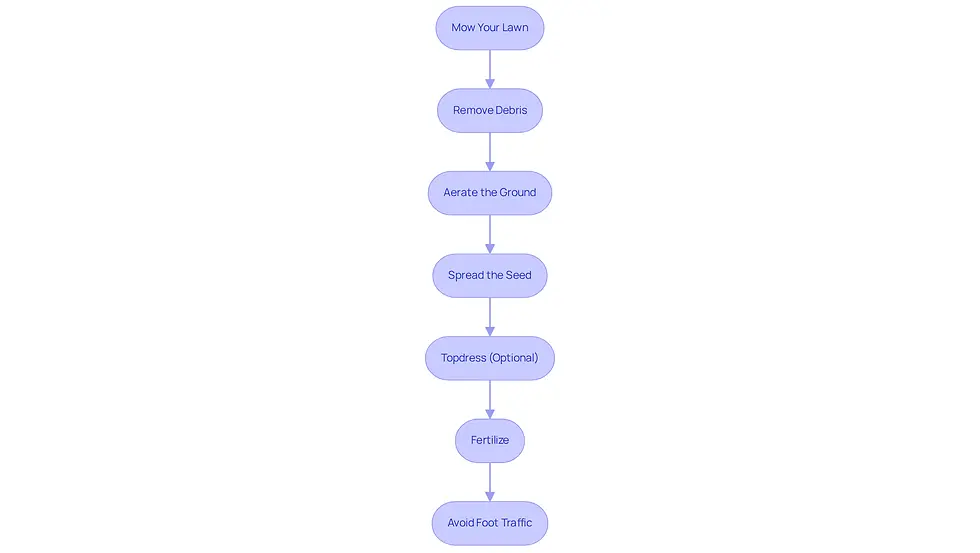
Mow Your Lawn: Start by cutting your grass shorter than usual, aiming for a height of about 1.5 to 2 inches. This helps the seeds reach the ground more easily, giving them a better chance to thrive.
Remove Debris: Clear away any leaves, clippings, or debris. A clean surface is essential for the seeds, ensuring they have the best opportunity to germinate.
Many people wonder what does overseeding do for their lawns. Before overseeding, it's important to check your ground pH to understand what does overseeding do. Aim for a range of 6.2 to 7, as this creates optimal conditions for grass growth.
Aerate the Ground: Using a turf aerator, create small openings in the soil. This crucial step improves seed-to-soil contact and enhances water penetration, vital for germination. We believe that starting with aeration is key, especially in Minnesota's clay soil, which can make it tough for seeds to thrive.
Spread the Seed: Use a broadcast spreader to evenly distribute the grass seed across your lawn. Be sure to follow the recommended seeding rate on the seed package for the best results.
Topdress (Optional): Consider applying a thin layer of compost or topdressing. This can help protect the seeds and improve soil quality, enhancing growth.
Fertilize: After reseeding, apply a starter fertilizer, like Jonathan Green's Veri-Green Starter Fertilizer, to support new seed growth.
Many people wonder what does overseeding do for their lawns. After overseeding, it is important to thoroughly irrigate the area and keep the ground consistently moist until the seeds germinate, which typically takes about 7 to 14 days; this raises the question of what does overseeding do.
Avoid Foot Traffic: Try to avoid walking on the lawn for a few weeks. This allows the new grass to establish itself without disturbance.
Optimal Timing: In Minnesota, understanding what does overseeding do indicates that the best time to overseed is from late August to mid-September. The warm ground and cool air create ideal conditions for germination. Avoid sowing too early to prevent heat stress and too late to avoid frost risk.
By following these steps, you can cultivate a lawn that not only looks great but also brings you joy and satisfaction throughout the seasons.
Manage Care: Post-Overseeding Maintenance Tips
After overseeding, many homeowners find themselves anxious about what overseeding does to help nurture their new grass to ensure it flourishes. Here are some essential maintenance tips to help you achieve a vibrant lawn.
Water Regularly: It's important to keep the soil consistently moist for the first 10-14 days, so try watering lightly but frequently, about 2-3 times a day. This approach helps avoid washing away the seeds and promotes healthy germination.
Avoid Mowing: To give your new grass the best chance to thrive, hold off on mowing until it reaches about 3 inches in height. This allows the roots to establish properly, ensuring a strong foundation for your lawn.
Fertilize: About 4-6 weeks after overseeding, consider applying Spring Touch Lawn & Pest Control's organic-based fertilizer. This will not only nourish your new turf but also help prevent crabgrass from taking over during the summer months.
Monitor for Weeds: Keep an eye out for weeds, especially dandelions and broadleaf varieties. Spring Touch's second application can help target these pesky weeds while also controlling grubs. If you spot any weeds, you can eliminate them manually or with a specific herbicide, but it's best to avoid broad-spectrum herbicides until your new turf is well established.
Limit Foot Traffic: To allow your new grass to grow strong, try to minimize foot traffic on the area for 2-4 weeks. This will help the new growth develop without disturbance.
Post-Overseeding Statistics: Research shows what overseeding does to significantly improve turf density. By following these maintenance practices and utilizing Spring Touch's organic treatments, you can enhance your lawn's resilience and appearance.

Conclusion
Many homeowners struggle with patchy, unhealthy lawns that fail to thrive, leading to frustration and disappointment. Overseeding offers a solution that can fill in those bare patches and improve the overall health and appearance of lawns, especially in southern Minnesota. By introducing new grass varieties, homeowners can enhance turf density and bolster their lawns' resilience against pests and diseases. This approach not only revitalizes the landscape but also fosters a healthier environment by reducing the need for chemical treatments.
Throughout this article, we've explored the many benefits of overseeding. From promoting thicker grass growth and enhancing visual appeal to improving soil quality and drought resistance, overseeding provides a wealth of advantages. We've also highlighted the importance of timing and proper techniques, ensuring that homeowners can achieve the best results tailored to their specific grass types. By following the outlined steps and maintenance tips, individuals can cultivate a lush, vibrant lawn that thrives through the seasons.
By embracing overseeding, homeowners can create a thriving outdoor sanctuary that brings joy and peace for years to come. Taking action now by considering overseeding as a viable solution for lawn care needs can lead to a flourishing lawn. With the right approach and support from local experts like Spring Touch Lawn & Pest Control, a beautiful lawn is well within reach, providing a space for relaxation and enjoyment.
Frequently Asked Questions
What is overseeding and how does it benefit my lawn?
Overseeding is the process of sowing additional grass seeds into an existing lawn to fill in bare patches, enhance color, and increase turf density. This technique promotes thicker grass growth, which helps crowd out weeds and creates a more resilient landscape.
When is the best time to overseed in southern Minnesota?
The best times to overseed cool-season grasses in southern Minnesota are early spring and late summer, as these periods align with ideal soil temperatures for seed germination.
How quickly can I expect to see results from overseeding?
Homeowners often notice significant improvements in grass health within just a few weeks after overseeding, with visible enhancements in turf density and color appearing in as little as 2 to 4 weeks.
Can overseeding help with pest and disease resistance?
Yes, overseeding contributes to a healthier outdoor environment by increasing turf density, which makes the lawn better equipped to resist diseases and pests, thereby reducing the likelihood of infestations and disease outbreaks.
How does overseeding improve the overall appearance of my lawn?
By introducing new seeds, overseeding enhances the overall color and visual appeal of your yard, making it look lush and vibrant, especially important in southern Minnesota where seasonal changes can impact grass vitality.
What environmental benefits does overseeding provide?
Overseeding improves soil quality and promotes microbial activity, which supports the overall vitality and growth of grass. It also helps reduce reliance on chemical herbicides by creating a thicker turf that competes for resources.
How much can overseeding increase turf density?
Studies show that overseeding can increase turf density by up to 30% in just one growing season, revitalizing damaged areas and filling in empty patches created by foot traffic, pests, or illness.
What types of grass are recommended for overseeding in southern Minnesota?
Turf-type tall fescue is often recommended for overseeding in southern Minnesota due to its ability to withstand drought conditions and enhance the lawn's overall resilience.
How can I ensure successful overseeding?
To achieve a flourishing yard, it's important to follow optimal methods for overseeding, including appropriate timing and seed choice, which can lead to a lawn that requires less upkeep and remains attractive throughout the year.
List of Sources
Define Overseeding: Understanding the Basics
Overseeding in the Fall | Turfgrass Science | Nebraska (https://turf.unl.edu/news/overseeding-fall)
Revive Your Lawn With Grass Overseeder Benefits - Rentalex (https://rentalex.com/revive-your-lawn-with-grass-overseeder-benefits)
10 Benefits of Overseeding Services for a Thriving Lawn (https://springtouchlawn.com/post/10-benefits-of-overseeding-services-for-a-thriving-lawn)
10 Benefits of Overseeding (https://lawnlove.com/blog/benefits-of-overseeding)
An overseeding success story | Turfgrass Science (https://turf.umn.edu/overseeding-success-story)
Explore Benefits: Why Overseeding Matters for Your Lawn
Why Fall in Minnesota is the Best Time for Overseeding Your Lawn (https://thegreenstufflawn.com/overseeding-your-minnesota-lawn-this-fall-season)
Thicken Your Lawn by Overseeding: Why and How to Overseed Your Lawn | ScottsMiracle-Gro US (https://scottsmiraclegro.com/en-us/learn/lawn-care/thicken-your-lawn-by-overseeding.html)
The Importance of Overseeding - Missouri Southern Seed (https://missourisouthernseed.com/the-importance-of-overseeding)
Aeration & Overseeding Services in Minnesota & Wisconsin | LCS Lawn & Tree Service (https://lcslawn.com/lawn-care/overseeding)
Overseeding Guide for Lawn Pros in Minnesota - Central Pro Supply (https://centralpros.com/over-seeding-guide-for-lawn-pros-in-minnesota)
Determine Timing: When to Overseed for Best Results
Overseeding in the Fall | Turfgrass Science | Nebraska (https://turf.unl.edu/news/overseeding-fall)
Seeding and sodding home lawns (https://extension.umn.edu/lawn-care/seeding-and-sodding-home-lawns)
When to Overseed Lawn in Minnesota | Jonathan Green (https://jonathangreen.com/resources/when-overseed-lawn-minnesota)
When is the Best Time to Overseed a Lawn? (https://lawnlove.com/blog/when-to-overseed-lawn)
MN Lawn Seeding & Overseeding: Timing Tips for Spring (https://kglandscape.com/seeding-overseeding-crabgrass-prevention)
Implement Steps: How to Overseed Your Lawn Effectively
MN Lawn Seeding & Overseeding: Timing Tips for Spring (https://kglandscape.com/seeding-overseeding-crabgrass-prevention)
When to Overseed Lawn in Minnesota | Jonathan Green (https://jonathangreen.com/resources/when-overseed-lawn-minnesota)
Overseeding Guide for Lawn Pros in Minnesota - Central Pro Supply (https://centralpros.com/over-seeding-guide-for-lawn-pros-in-minnesota)
Revive Your Lawn With Grass Overseeder Benefits - Rentalex (https://rentalex.com/revive-your-lawn-with-grass-overseeder-benefits)
An overseeding success story | Turfgrass Science (https://turf.umn.edu/overseeding-success-story)
Manage Care: Post-Overseeding Maintenance Tips
How To Overseed Your Lawn | Southview Design (https://southviewdesign.com/how-to/how-to-overseed-your-lawn)
Caring for Your Lawn After Overseeding - What Should You Do? | Big Lakes Lawncare (https://biglakeslawncare.com/blog/caring-for-your-lawn-after-overseeding-what-should-you-do)
Care For Your Lawn After Overseeding | Valley Green Companies (https://valleygreen.net/care-lawn-overseeding)
An overseeding success story | Turfgrass Science (https://turf.umn.edu/overseeding-success-story)
Overseeding | Sports field management (https://safesportsfields.cals.cornell.edu/routine-care/overseeding)