.png)
Master Liquid Grub Control for Lawns: A Step-by-Step Guide
- Spring Touch Team

- Jun 2
- 7 min read
Updated: 21 hours ago
Introduction
Homeowners often feel helpless as their once-thriving lawns turn brown due to grubs. These pests can quietly cause significant damage, leaving behind patches of lifeless turf. But there is hope; with the right approach, homeowners can restore their lawns to their former glory.
In this guide, we’ll walk you through the steps to effectively manage grub control, addressing not only the application process but also the essential tools and timing needed for success.
If things don’t go as planned, don’t worry; we’ll also cover how to troubleshoot any issues that may arise, ensuring your lawn can thrive again.
Understand the Impact of Grubs on Your Lawn
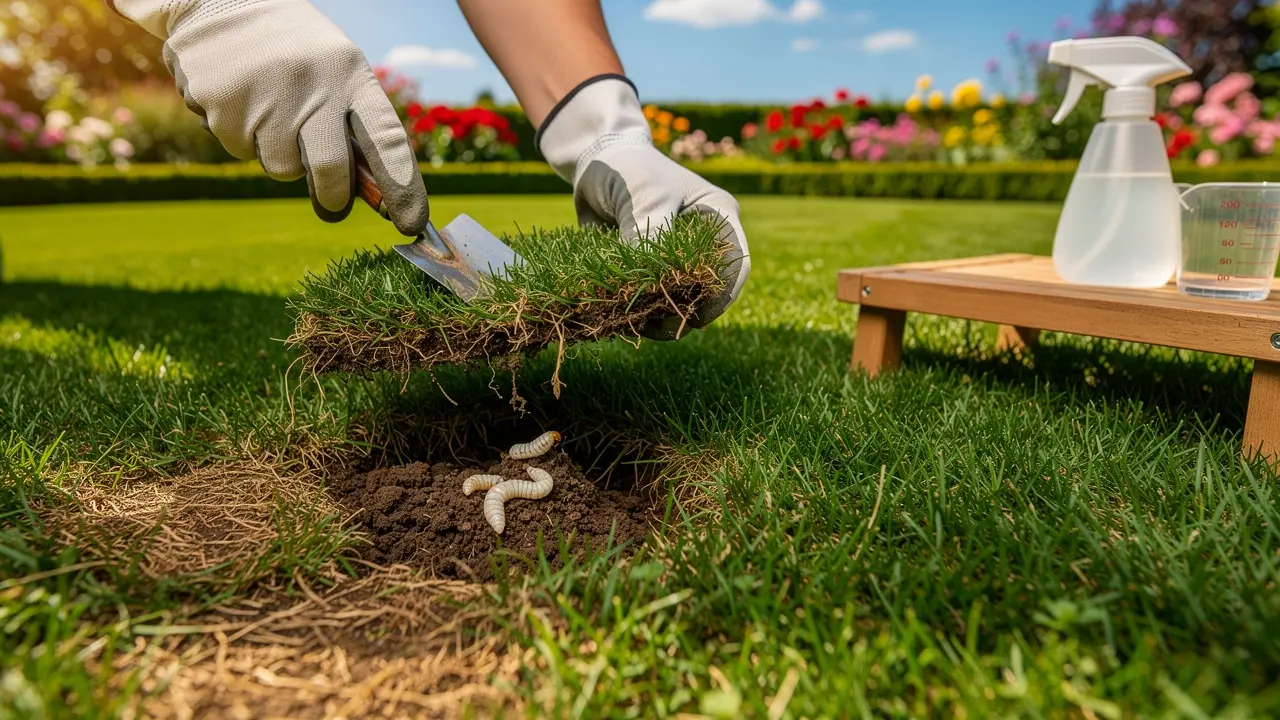
Imagine stepping onto your lawn only to find patches of brown grass and spongy turf beneath your feet. It’s disheartening, isn’t it? Grubs, the larvae of different beetles, can pose a serious threat to your grass by munching on the root systems, which is why liquid grub control for lawns is important. This can lead to uneven brown spots, wilting grass, and a lawn that feels soft and spongy underfoot. In southern Minnesota, these pests can wreak havoc, especially during late summer and early fall when they’re most active. It’s important to stay alert because even a small infestation can grow quickly, leading to costly repairs and a lot of work to restore your lawn.
Spotting the signs of larval damage early can make all the difference in keeping your lawn healthy and vibrant. Look for:
Soft or spongy areas underfoot
Grass that lifts easily from the soil
Increased activity from wildlife like skunks and raccoons, which are on the hunt for these pests
If you find more than five larvae per square foot, it’s a clear sign that you need to take action right away.
The life cycle of these larvae begins with egg-laying in summer, followed by hatching into young forms that feed on grass roots from late summer to early fall and again in spring. Without action, your lawn could suffer greatly, making it crucial to implement liquid grub control for lawns and take preventive steps now. To ensure a healthier yard throughout the growing season, liquid grub control for lawns should ideally be applied in June or July to disrupt the insect life cycle before larvae emerge.
Healthy turf can withstand a few pests without noticeable harm, but if your grass is thin, it may become more vulnerable to weeds and drought stress. By keeping your yard healthy with regular care and quick responses, you can avoid pest problems and enjoy a lush lawn for years to come.

Gather Necessary Tools and Materials for Application
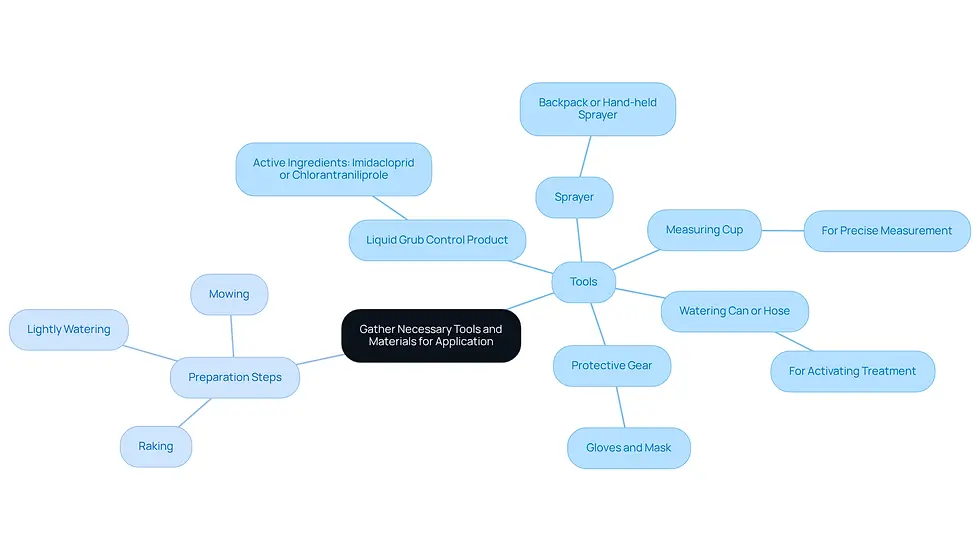
Are pests threatening the beauty of your lawn? Before you tackle this issue, make sure you have the right tools and materials ready:
Liquid Grub Control Product: Choose a product containing effective active ingredients like Imidacloprid or Chlorantraniliprole.
Sprayer: A backpack or hand-held sprayer is ideal for even application.
Measuring Cup: To precisely gauge the quantity of material required according to your yard size.
Watering Can or Hose: Remember, watering your grass right after applying the product is key to activating the treatment and ensuring its effectiveness.
Protective Gear: Gloves and a mask to protect yourself from chemical exposure.
To give your lawn the best chance against pests, take a moment to prepare your yard by mowing, raking, and lightly watering it. This preparation is vital for maximizing the effectiveness of the pest control treatment. Spring Touch Lawn & Pest Control suggests using an organic-based fertilizer with crabgrass preventer, like our specially designed formulation, prior to insect control to replenish nutrients and improve turf health. Be cautious with curative insecticides, as improper use can harm beneficial insects and negatively impact the environment. In Southern Minnesota, the optimal period to use pest control products is usually between mid-June and early July.
Having these items on hand and following these guidelines will streamline the application process and enhance the effectiveness of your treatment. If you’re feeling overwhelmed, don’t hesitate to reach out to Spring Touch Lawn & Pest Control for expert assistance in managing pests and ensuring your yard remains a healthy haven.
Apply Liquid Grub Control: Step-by-Step Instructions
Many homeowners dread the sight of their once-vibrant lawns turning brown and patchy due to grubs. To effectively apply liquid grub control while considering Spring Touch Lawn & Pest Control's comprehensive lawn care strategy, follow these steps:
Choose the Right Time: Apply the substance in late spring to early summer when grubs are actively feeding. Ideally, this should be between mid-April and early June.
Prepare the Grass: Mow your grass a day or two before application to ensure the product reaches the soil effectively. Avoid applying on a wet surface to prevent runoff. Additionally, consider Spring Touch's first application of organic-based fertilizer with bio-solids and crabgrass preventer to restore nutrients and prepare your lawn for the season.
Measure the Area: Determine the size of the area you need to treat to calculate the correct amount of product. To effectively manage pests, consider using liquid grub control for lawns. Mix the liquid grub control for lawns according to the manufacturer's instructions with water in your sprayer.
Apply Evenly: Spray the mixture evenly across the affected areas, ensuring thorough coverage. Pay special attention to areas with visible damage. Remember, Spring Touch's second application targets dandelions and broadleaf weeds, which can also impact the health of your grass.
Water the Grass: After application, water the grass lightly with at least 0.5 inches of water to help the product penetrate the soil and reach the grubs.
Monitor the Lawn: Take a moment to observe your lawn during peak insect activity, especially from August to October and April to early May, to prevent any significant damage.
In Southern Minnesota, discovering five or more larvae per square foot usually suggests the necessity for treatment. Furthermore, be mindful that creatures such as raccoons and birds may create additional damage to the yard while searching for larvae. By taking these proactive steps, you can ensure your lawn remains a beautiful and inviting space for your family and friends.

Troubleshoot Common Issues After Application
It’s disheartening when your efforts to control pests don’t seem to work as planned. If you’re frustrated because you don’t see the results you hoped for after treatment, make sure the product was applied at the right time and that your lawn got enough water afterward. If you’re still seeing brown patches, it might mean there’s a bigger issue at play, like drought stress or a pest problem. Let’s take a closer look at your lawn’s overall health.
Heavy rainfall shortly after application can wash away the product, reducing its effectiveness. Keep an eye on your grass, and don’t hesitate to reapply if you notice any issues. You’re not alone in this! If you still see pests after treatment, it might mean they’re tougher than expected. Don’t worry; switching to a different product or consulting an expert can help you tackle this challenge.
Taking swift action can make all the difference in restoring your lawn’s health and beauty.

Conclusion
Grubs can silently wreak havoc on your lawn, leaving it looking less than its best. But don’t worry; with the right approach, you can protect your yard and keep it thriving. This guide is here to help you tackle grub infestations and keep your lawn vibrant and healthy.
We’ll cover:
How to spot grubs early
What tools you’ll need
A simple method to apply grub control effectively
And if you run into any issues, we’ll guide you on how to adapt and keep your lawn on track. Taking action now not only keeps your lawn looking great but also helps it stay healthy and strong. If you live in southern Minnesota, staying informed and taking action against grubs can help you create a lush outdoor space you love. And if you need a little extra help, don’t hesitate to reach out to experts like Spring Touch Lawn & Pest Control - they’re here to support you.
Frequently Asked Questions
What are grubs and how do they affect my lawn?
Grubs are the larvae of various beetles that feed on the root systems of grass. Their feeding can lead to brown patches, wilting grass, and spongy turf, which can significantly damage your lawn.
When are grubs most active in southern Minnesota?
In southern Minnesota, grubs are most active during late summer and early fall. They also emerge in the spring, making this a critical time for lawn care.
What signs indicate that my lawn may have a grub infestation?
Signs of grub infestation include soft or spongy areas underfoot, grass that lifts easily from the soil, and increased activity from wildlife such as skunks and raccoons, which are searching for these pests.
How many grubs per square foot indicate a problem?
If you find more than five grubs per square foot, it is a clear sign that action is needed to control the infestation.
What is the life cycle of grubs?
Grubs begin their life cycle with egg-laying in the summer, followed by hatching into larvae that feed on grass roots from late summer to early fall and again in spring.
When should I apply liquid grub control for lawns?
Liquid grub control should ideally be applied in June or July to disrupt the insect life cycle before the larvae emerge.
Can a healthy lawn withstand a few grubs?
Yes, a healthy lawn can tolerate some pests without significant harm. However, if the grass is thin, it may become more vulnerable to weeds and drought stress.
How can I maintain a healthy lawn to prevent grub problems?
Regular lawn care and prompt responses to any issues can help maintain a healthy yard, making it less susceptible to pest problems and ensuring a lush lawn throughout the growing season.
List of Sources
Understand the Impact of Grubs on Your Lawn
Protect Your Lawn: Identifying and Treating Grub Damage (https://kappslawn.com/protect-your-lawn-identifying-and-treating-grub-damage)
How to choose and when to apply grub control products for your lawn (https://canr.msu.edu/news/how_to_choose_and_when_to_apply_grub_control_products_for_your_lawn)
Grub Control & Prevention in Minneapolis | Rainbow Lawncare (https://rainbowlawncare.com/lawn-services/grub-control)
Grub Damage In Your Lawn: How to Identify, Repair, and Prevent Damage - bioLawn (https://getbiolawn.com/grub-damage-in-your-lawn)
stormlawnandsnow.com (https://stormlawnandsnow.com/insect-control/grub-control)
Gather Necessary Tools and Materials for Application
White Grub Control in Turfgrass (https://hort.extension.wisc.edu/articles/grub-control-home-lawn)
How to choose and when to apply grub control products for your lawn (https://canr.msu.edu/news/how_to_choose_and_when_to_apply_grub_control_products_for_your_lawn)
Master Lawn Grub Killer Techniques for a Healthy Lawn (https://springtouchlawn.com/post/master-lawn-grub-killer-techniques-for-a-healthy-lawn)
growcycle.com (https://growcycle.com/learn/best-grub-killers-for-a-healthy-green-lawn?srsltid=AfmBOoryDrqBD1lJscedUnx0fe1W9bX6nnYU-JjgFnEJrkhWKcXiHIDN)
thelawncarenut.com (https://thelawncarenut.com/blogs/news/may-30th-newsletter?srsltid=AfmBOoqdYqGVvF-Gb4gxREqDYgmVVklQqB6qEfYdbuYtVDWp-njApdAK)
Apply Liquid Grub Control: Step-by-Step Instructions
Grub Control & Prevention in Minneapolis | Rainbow Lawncare (https://rainbowlawncare.com/lawn-services/grub-control)
How to choose and when to apply grub control products for your lawn (https://canr.msu.edu/news/how_to_choose_and_when_to_apply_grub_control_products_for_your_lawn)
seascapeinc.com (https://seascapeinc.com/healthy-lawns-with-dr-jim/spring-grubs-what-you-need-to-know)
Master Lawn Grub Killer Techniques for a Healthy Lawn (https://springtouchlawn.com/post/master-lawn-grub-killer-techniques-for-a-healthy-lawn)
thelawncarenut.com (https://thelawncarenut.com/blogs/news/may-30th-newsletter?srsltid=AfmBOorCpyDMY_5e6RnKxRnFaNd91-uekDdGUFlTowZ7-Za4mq7_zwWj)
Troubleshoot Common Issues After Application
fertilawnmn.com (https://fertilawnmn.com/grub-damage-in-the-minneapolis-area)
How to Diagnose and Fix Common Minnesota Lawn Problems | Green Horizons (https://green-horizons.com/blog/diagnose-fix-minnesota-lawn-problems)
How to choose and when to apply grub control products for your lawn (https://canr.msu.edu/news/how_to_choose_and_when_to_apply_grub_control_products_for_your_lawn)
Grub Problems in Turf | Home Garden Education Office | College of Agriculture, Health and Natural Resources | University of Connecticut (https://homegarden.cahnr.uconn.edu/factsheets/grub-problems-in-turf)


