.png)

Master Spring Weed and Feed: A Step-by-Step Guide for Homeowners
- Spring Touch Team

- 8 hours ago
- 10 min read
Introduction
Many homeowners feel overwhelmed by the constant battle against weeds and the pressure to keep their lawns looking pristine. The good news is that spring weed and feed products can really help you tackle this challenge, but knowing how and when to use them is crucial for success. However, mastering the timing and application techniques can make all the difference. With the right knowledge and techniques, you can transform your lawn into a lush oasis, free from the stress of weeds.
Understand Weed and Feed: Purpose and Benefits
Many homeowners struggle to keep their lawns healthy and weed-free, often feeling overwhelmed by the task. Fortunately, spring weed and feed solutions can help by providing essential nutrients while tackling those pesky weeds.
Let’s explore the key benefits that these solutions offer to homeowners looking to maintain their lawns with ease.
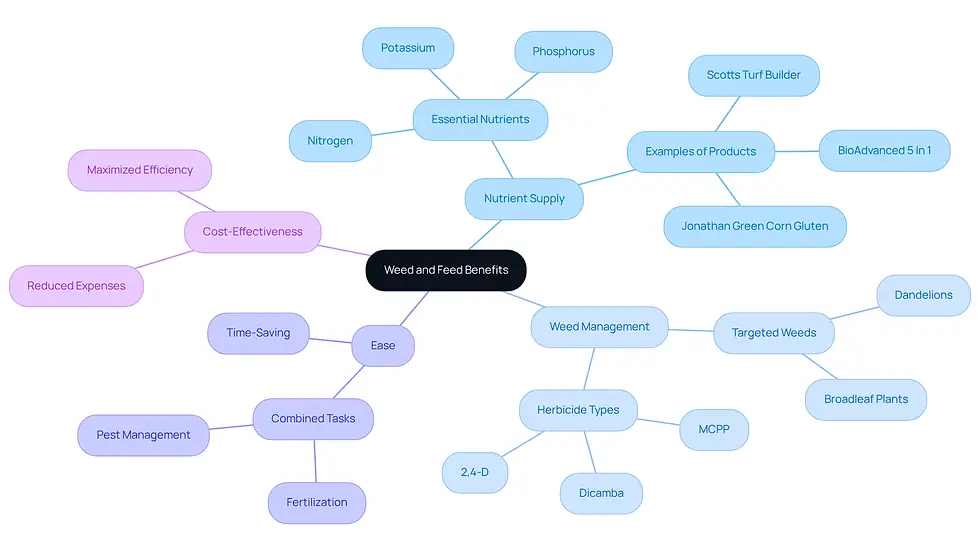
Nutrient Supply: These products typically contain nitrogen, phosphorus, and potassium, which are vital for healthy grass growth. For instance, Spring Touch Lawn & Pest Control provides an organic-based fertilizer with bio-solids that not only restores nutrients but also contains crabgrass preventer, ensuring your grass is well-prepared for the summer.
Weed Management: They frequently incorporate herbicides that focus on typical grass pests, assisting in preserving a neat and appealing yard. Spring Touch's second treatment specifically targets dandelions and broadleaf plants, while also incorporating grub control to address infestations effectively.
Ease: Ease is achieved by utilizing spring weed and feed, which combines fertilization and pest management, saving time and effort while streamlining garden maintenance for homeowners during the hectic spring season.
Cost-Effectiveness: By merging two tasks into a single program, homeowners can reduce expenses on both materials and labor, maximizing efficiency and effectiveness in yard care.
As the experts at Spring Touch remind us, timing is everything. Using spring weed and feed in early spring, when those pesky weeds are growing, and again in the fall, can make all the difference for your lawn's health.
Understanding these benefits highlights how crucial it is to apply these products at the right time and in the right way, ensuring your lawn thrives all season long. By understanding the right timing and techniques, you can transform your lawn into a vibrant, inviting space that you can be proud of.
Determine the Right Timing for Application
Timing your fertilizer and herbicide application can make all the difference in achieving a lush, healthy lawn. Here are some key considerations to keep in mind:
Spring Application: The best time to apply weed and feed is early spring, typically between late March and early April. This is when grass is actively growing and weeds are just starting to emerge. We suggest kicking off your lawn care with our organic-based fertilizer, which includes crabgrass preventer to restore nutrients and prepare your lawn for the season. With over 1,320 five-star reviews, our expertise ensures you get the best results.
Temperature: Aim for temperatures between 60°F and 90°F. This range is optimal for both grass growth and herbicide effectiveness.
Moisture Conditions: Apply after a light rain or when the grass is slightly damp from dew. This helps the granules stick to the plants, boosting their effectiveness.
Avoiding Frost: Make sure there’s no risk of frost after application, as this can damage both the grass and the effectiveness of the product.
Following these timing tips helps ensure your lawn gets the care it needs to thrive. Additionally, remember that as a new client, your initial request is complimentary when you enroll in our comprehensive garden care program, which features expert strategies for pest management customized to the specific conditions of southern Minnesota. Taking these steps not only enhances your lawn's health but also ensures you make the most of your investment in garden care.

Prepare Your Lawn and Gather Necessary Tools
Are you worried about the health of your lawn? Proper preparation is key to ensuring it thrives. Before applying spring weed and feed, gathering the right tools and preparing your lawn is crucial for success. Follow these steps:
Mow Your Lawn: Trim your grass 1-2 days before treatment, keeping it at a height of about 2-3 inches. This height reveals unwanted plants and improves the product's contact with the soil.
Clear Debris: Take a moment to clear away any leaves, sticks, or debris from your yard. This will help ensure an even application of your products.
Gather Tools: Essential tools include:
A broadcast or drop spreader for uniform distribution of the weed and feed.
A rake to level the lawn if needed.
A hose or watering can for post-application watering.
Check Weather Conditions: Ensure that rain is not predicted for at least 24 hours after use, as precipitation can wash away the substance before it takes effect. Additionally, make sure daytime temperatures are consistently above 60°F for optimal effectiveness.
Read Product Guidelines: Familiarize yourself with the specific directions on your selected herbicide and fertilizer, including suggested usage rates and safety measures. Remember to keep children and pets off the grass until the product has settled or been watered in.
By taking these steps, you’re not just treating your lawn; you’re investing in its long-term health and beauty. For optimal outcomes, consider Spring Touch Lawn & Pest Control's organic-based fertilizer featuring crabgrass preventer, which not only enriches your grass but also helps stop common plants like dandelions and broadleaf types. Their seasonal treatments, including solutions for crabgrass in early spring and dandelions in late spring, are designed to effectively address plant infestations while restoring essential nutrients, enhancing your lawn care efforts even more.

Apply Weed and Feed: Step-by-Step Instructions
Ready to give your lawn the care it needs? Here’s how to apply weed and feed for the best results:
Check the Weather: Start by checking the weather; a calm, dry day is ideal for your application, giving you the best chance for success. Optimal temperatures for use are between 60°F to 90°F.
Set Up Your Spreader: Adjust your spreader settings according to the product instructions to achieve the correct application rate. Calibration is essential to prevent over-application, which can damage your grass.
Begin Application: Start at one edge of your yard and walk in straight lines, overlapping slightly with each pass to ensure even coverage. Keep moving steadily across your yard to ensure even coverage, as stopping can lead to uneven patches that you want to avoid.
Focus on Weeds: Pay special attention to areas with visible weeds, ensuring that the granules land directly on the leaves for optimal herbicide action. By using spring weed and feed, you’re ensuring that your efforts are truly effective, giving your lawn the care it deserves. As noted by Pawel Petelewicz, assistant professor in the Agronomy Department at the University of Florida, applying herbicides only where needed can prevent unnecessary chemical use. For homeowners in southern Minnesota, utilizing Spring Touch Lawn & Pest Control's organic-based fertilizer with crabgrass preventer can assist in restoring nutrients while preventing crabgrass from dominating your turf this summer. Moreover, our local teams in Mankato and Rochester are trained to offer expert guidance customized to your specific yard care needs.
Irrigate the Grass: After application, give it some time-waiting at least 24 hours before heavy watering helps the product work its magic. Remember to keep pets and children off the grass for 24-48 hours after application for safety.
Monitor Results: Take a moment to enjoy your yard over the next few weeks; you’ll likely see the positive changes unfold before your eyes. You should notice a decrease in unwanted plants and an enhancement in grass vitality, with noticeable changes generally happening within 3-7 days. Most broadleaf plants will perish entirely within 2-4 weeks, as emphasized by several turf management specialists. Spring Touch Lawn & Pest Control's seasonal services, including targeted treatments for dandelions and broadleaf plants, guarantee that your grass stays healthy and vibrant throughout the growing season. Plus, new customers can enjoy their first treatment free when signing up for a complete program, backed by our 100% satisfaction guarantee.
Following these steps will not only help you manage weeds but also bring you peace of mind knowing your lawn is thriving and beautiful.

Troubleshoot Common Application Issues
Even with the best intentions, lawn care can sometimes lead to unexpected challenges that leave homeowners feeling uncertain. Here are some common problems and how to troubleshoot them:
Uneven Distribution: Have you noticed some parts of your lawn looking greener or browner than others? This could be a sign of uneven distribution. Ensure your spreader is calibrated correctly and maintain a consistent walking pace during the process. Did you know that uneven application can lead to noticeable differences in grass health? That's why calibrating your spreader is so important. Spring Touch Lawn & Pest Control emphasizes the importance of using organic-based treatments for a healthier lawn.
Unwanted Plants Persisting: If unwanted plants stay unaffected, verify that the product was applied at the right time - when they are actively growing - and that the granules made contact with the leaves. In certain situations, a reapplication or a specific herbicide may be required to effectively control persistent plants. Spring Touch Lawn & Pest Control's second application specifically targets dandelions and broadleaf plants, making it an effective solution for homeowners in southern Minnesota. Remember, applying weed and feed in late February or early March is recommended for optimal results.
Grass Burn: Scorched grass can result from excessive use of the substance. Always follow the suggested rates on the label, and consider using a lower rate if your lawn is sensitive to fertilizers.
Weather Concerns: Rain soon after use can wash away the substance, diminishing its effectiveness. Monitor weather forecasts and plan your project accordingly to avoid this issue.
Post-Use Care: To enable the product to function effectively, refrain from mowing or heavy foot traffic for at least 24-48 hours after usage. This waiting period is crucial for optimal absorption and effectiveness.
When you understand these common issues and how to tackle them, you can take charge of your weed and feed process, leading to a healthier, more vibrant yard. For instance, a local homeowner successfully resolved uneven application issues by adjusting their spreader settings and following up with a targeted herbicide, resulting in a lush, green lawn. Plus, new customers can take advantage of the first treatment being free when signing up for a complete program with Spring Touch Lawn & Pest Control.

Conclusion
Many homeowners struggle with achieving a healthy, vibrant lawn, often feeling overwhelmed by the complexities of lawn care. Finding the right balance between fertilization and weed control can feel daunting, but it’s key to nurturing your lawn’s health and beauty. Getting the timing and preparation just right can make all the difference in your lawn’s success, and it’s easier than you might think.
This guide has shared valuable tips, like why early spring is the perfect time to start and how to prepare your lawn for the best results. Choosing organic-based products can be a great way to keep your lawn healthy while ensuring safety for your loved ones and pets. Following expert tips and addressing common challenges can empower you to create a thriving lawn you can be proud of.
Taking the time to learn these techniques not only beautifies your outdoor space but also supports a healthier environment for everyone. Embracing these practices can help your lawn flourish throughout the growing season, bringing joy to your outdoor experience. If you’re looking for extra support, Spring Touch Lawn & Pest Control provides personalized solutions, including a complimentary first treatment for new clients who join a complete program. Taking these steps not only nurtures your lawn but also fosters a sense of pride and connection to your outdoor space.
Frequently Asked Questions
What is the purpose of weed and feed products?
Weed and feed products are designed to provide essential nutrients to lawns while simultaneously managing weeds. They typically contain nitrogen, phosphorus, and potassium for healthy grass growth, along with herbicides to target common grass pests.
What are the benefits of using spring weed and feed solutions?
The benefits include nutrient supply for grass growth, effective weed management, ease of application by combining fertilization and pest control, and cost-effectiveness by reducing expenses on materials and labor.
When is the best time to apply weed and feed?
The best time to apply weed and feed is early spring, typically between late March and early April, when grass is actively growing and weeds are starting to emerge.
What temperature conditions are ideal for applying weed and feed?
Ideal temperatures for application are between 60°F and 90°F, as this range promotes both grass growth and the effectiveness of herbicides.
How should moisture conditions be for applying weed and feed?
It is best to apply weed and feed after a light rain or when the grass is slightly damp from dew, which helps the granules adhere to the plants and boosts their effectiveness.
What should be avoided after applying weed and feed?
It is important to avoid applying weed and feed when there is a risk of frost, as this can damage the grass and reduce the product's effectiveness.
How can homeowners maximize the effectiveness of weed and feed?
Homeowners can maximize effectiveness by applying weed and feed at the right time, following the recommended moisture conditions, and ensuring proper temperature during application.
Are there any promotions for new clients using Spring Touch Lawn & Pest Control?
Yes, new clients can take advantage of a complimentary initial request when enrolling in the comprehensive garden care program offered by Spring Touch Lawn & Pest Control.
List of Sources
Understand Weed and Feed: Purpose and Benefits
Want Greener Grass Fast? These Weed and Feeds Will Save Your Lawn This Spring (https://thespruce.com/best-weed-and-feeds-5352089)
Weed And Feed 101 – What is it? How Does it Work? (https://spring-green.com/learn/blogs/blog-weed-feed-everything-youve-wanted-know)
How and When to Apply Weed and Feed on Your Lawn (https://lawnlove.com/blog/how-to-use-weed-and-feed)
Bayer Advanced Launches 3-in-1 Weed & Feed for Southern Lawns (https://prnewswire.com/news-releases/bayer-advanced-launches-3-in-1-weed--feed-for-southern-lawns-300206201.html)
Determine the Right Timing for Application
Complete Spring Lawn Care Guide for Minnesota | Green Horizons (https://green-horizons.com/blog/complete-guide-spring-lawn-care-minnesota)
When to Apply Weed and Feed (Best Time for Lawn Weed Control) (https://us.mammotion.com/blogs/news/when-to-apply-weed-and-feed?srsltid=AfmBOoqufgTQk6_6jfQmLg7uM-ccEZUwBZaWPzPSayolv8e5kQlEvj2P)
Master Your Lawn Care Schedule in Minnesota: Best Practices for Homeowners (https://springtouchlawn.com/post/master-your-lawn-care-schedule-in-minnesota-best-practices-for-homeowners)
The Right Time to Apply Weed and Feed Is Approaching—Everything You Need to Know to Get It Right (https://thespruce.com/when-to-apply-weed-and-feed-11941733)
Prepare Your Lawn and Gather Necessary Tools
How and When to Apply Weed and Feed on Your Lawn (https://lawnlove.com/blog/how-to-use-weed-and-feed)
When to Apply Weed and Feed (Best Time for Lawn Weed Control) (https://us.mammotion.com/blogs/news/when-to-apply-weed-and-feed?srsltid=AfmBOooZmPDD0EcmleXz_qmRuW3pobWvygeNH3-2bLVZt5Ga5OsPSiJ_)
When To Use Weed And Feed So It Actually Works (https://southernliving.com/when-to-apply-weed-and-feed-11949703?srsltid=AfmBOopHcSFbtsPJVWBAPmLGP-jbcPpSwLKEF2sHNtVw1ISSlJxyyWz5)
The Ultimate Guide to Weed & Feed: Timing, Techniques, and Tips (https://russopower.com/blogs/powering-productivity/the-ultimate-guide-to-weed-feed-timing-techniques-and-tips?srsltid=AfmBOorK_ITcNHjRQpi1xlrVWWbFuYUgN6Lpom7giVtCG1EDmljmAf_x)
How to Weed and Feed Your Lawn (https://lawnstarter.com/blog/lawn-care-2/how-to-weed-and-feed-lawn)
Apply Weed and Feed: Step-by-Step Instructions
How Long Does Scotts Weed and Feed Take to Work? Day-by-Day Timeline (https://whatgrassisthis.com/blog/long-scotts-weed-feed-take-work)
How to Weed and Feed Your Lawn (https://lawnstarter.com/blog/lawn-care-2/how-to-weed-and-feed-lawn)
The Ultimate Guide to Weed & Feed: Timing, Techniques, and Tips (https://russopower.com/blogs/powering-productivity/the-ultimate-guide-to-weed-feed-timing-techniques-and-tips?srsltid=AfmBOoqR6jzWAdyT-hBbnU6-Y6AnypUmyqBQPYyj1cQzBGlYu5n8Gz00)
Troubleshoot Common Application Issues
Everything You Need to Know About Weed and Feed for Lawns - GreenView (https://greenviewfertilizer.com/articles/everything-you-need-to-know-about-weed-and-feed)
Common Push Spreader Mistakes That Can Leave Stripes, Missed Areas, and Uneven Lawn Growth | Volz Lawn & Landscape Blog (https://volzlawnandlandscape.com/blog/common-push-spreader-mistakes)
When to Apply Weed and Feed (Best Time for Lawn Weed Control) (https://us.mammotion.com/blogs/news/when-to-apply-weed-and-feed?srsltid=AfmBOoqr6oa4Y9uIdqcTlpei9_4d_pbvvHpD2wRHTDA3kULYgksZYlgX)
Weed And Feed 101 – What is it? How Does it Work? (https://spring-green.com/learn/blogs/blog-weed-feed-everything-youve-wanted-know)


